Views: 0 Author: Site Editor Publish Time: 2026-05-29 Origin: Site


Setting up a bulky pressure washer often drains the joy right out of weekend automotive detailing. Dragging heavy machinery across the driveway feels exhausting. Untangling power cords and dealing with loud motors creates frustration before you even wet the car. Traditional two-bucket methods are equally annoying. They require slow, labor-intensive physical scrubbing. Bulk chemical jugs only add to this friction. They force you to measure formulas, dilute soaps, and buy separate application hardware just to get started. This creates an unnecessary barrier to achieving a pristine vehicle finish.
Fortunately, packaging innovations are solving this problem. A well-designed hose end sprayer serves as a sophisticated delivery solution. Chemical manufacturers use them to turn concentrated formulas into a ready-to-use premium experience. In this guide, we evaluate how these integrated systems work. You will discover what separates commercial-grade dispensers from cheap plastic alternatives. Ultimately, we will show you how to select the exact packaging and delivery system for your specific auto detailing needs.
Eliminates Setup Friction: Hose end sprayers bypass the need for expensive pressure washers, connecting directly to standard garden hoses.
Enhances Chemical Efficiency: Built-in dilution mechanics (often calibrated at a 12:1 ratio) ensure accurate application without manual mixing.
Protects Clear Coats: By acting as a "shaving cream" for vehicles, high-quality sprayers maximize surfactant activation, encapsulating dirt to prevent physical swirl marks.
Material Integrity Matters: Evaluating brass versus plastic fittings is critical to avoiding the most common failures: leaks and pressure blow-offs.
Traditional chemical packaging presents a significant problem for everyday consumers. Bulk chemical jugs require users to act like amateur chemists. You must measure out exact ratios. You then dilute the liquid in separate containers. Finally, you must supply your own application hardware. This multi-step process creates a steep barrier to entry. Shoppers often abandon their car wash plans simply because the setup takes too much effort. Brands lose repeat business when their products sit unused on garage shelves.
Integrating a hose end sprayer directly into the foam cleaner's packaging changes this dynamic completely. It creates a true "plug-and-play" solution. Consumers buy the bottle, attach it to their garden water line, and immediately start cleaning. The manufacturer controls the exact delivery method. This guarantees the chemical performs exactly as intended. Users never have to guess the correct water-to-soap ratio again.
This packaging innovation leverages 3-in-1 convenience as a major selling point. Modern detailing enthusiasts demand seamless transitions between tasks. An integrated dispenser allows you to manage three distinct phases without swapping tools. Consider the following workflow benefits:
Spraying: You can quickly wet the entire vehicle surface to remove loose top-layer debris.
Foaming: You simply turn a dial to inject the chemical, laying down a thick blanket of protective suds.
Rinsing: You twist the dial back to clean water, instantly flushing away the encapsulated dirt.
This packaging style also expands product utility well beyond the driveway. A high-quality foaming system increases the perceived value of the product. You can use the exact same tool to wash building surfaces, clean vinyl awnings, and rejuvenate wooden decks. When a single bottle handles automotive paint and backyard fences, consumers see a much higher return on their investment.
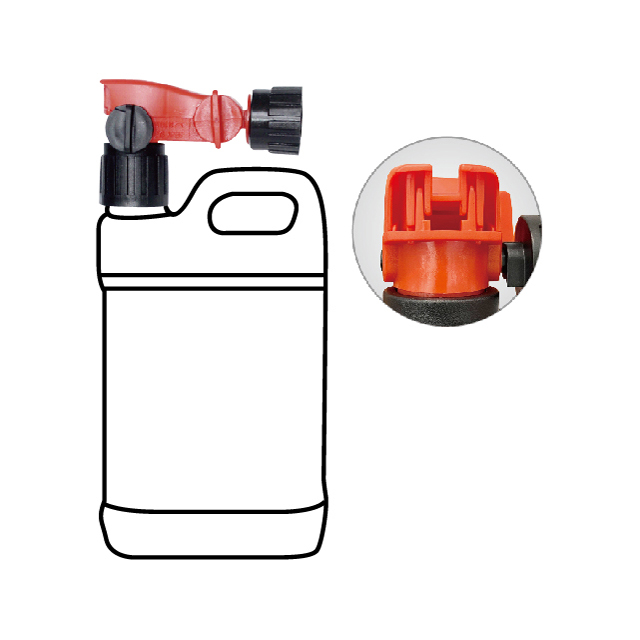
Industry terminology often confuses buyers. Many people use the terms "foam gun" and "foam cannon" interchangeably. Clarifying this difference builds trust and ensures you select the correct tool. They operate on entirely different mechanical principles. They also require different hardware to function properly.
Hose end foam guns operate as low-pressure systems. Engineers design them specifically for standard garden hoses. They typically operate effectively between 40 and 60 PSI. They offer a much lower barrier to entry. You do not need expensive gas or electric motors. They provide highly controllable flow rates. Furthermore, they remain exceptionally safe for delicate vehicle paint and sensitive weather stripping. The main drawback is the foam consistency. A low-pressure gun produces a wetter, looser foam compared to high-pressure systems. You may need to perform some light physical agitation using a microfiber wash mitt to remove stubborn road grime.
Foam cannons operate as high-pressure systems. They require a dedicated pressure washer to function. They excel at creating thick, clinging "snow foam" that aggressively strips dirt. This thick shaving-cream texture looks incredible. It also provides unmatched lubrication. However, cannons come with noticeable downsides. They demand high setup times. The initial hardware cost runs high. They also introduce a potential risk of paint damage. If you spray a high-pressure cannon too closely, you might peel clear coat or degrade rubber window seals.
The chart below summarizes the core differences between the two systems to help guide your purchasing decision:
Feature Matrix | Hose End Foam Gun | High-Pressure Foam Cannon |
|---|---|---|
Required Hardware | Standard Garden Hose | Dedicated Pressure Washer |
Operating Pressure | 40 - 60 PSI | 1000 - 3000+ PSI |
Foam Consistency | Wet, milky, fast-running | Thick, shaving-cream texture |
Setup Time | Under 1 minute | 5 to 10 minutes |
Paint Safety Risk | Extremely Low | Moderate (Requires proper distance) |
Not all dispensing systems offer the same performance. When evaluating a hose end sprayer, you must look past the colorful packaging. You need to inspect the internal mechanics. Both consumers and chemical brands must consider several crucial bottom-of-the-funnel factors. Poorly manufactured sprayers will ruin the customer experience entirely.
Durability and Material Construction: Material choice dictates the lifespan of the tool. You should contrast commercial-grade brass and stainless steel components against cheap plastic. Low-tier sprayers generate the most consumer complaints. They frequently pop apart under sudden water pressure spikes. They also tend to leak heavily at the connection points. Plastic threads easily strip after repeated use. Brass quick-connect fittings endure accidental drops and resist cross-threading.
Adjustable Dilution Ratios: Professional systems feature multi-ratio dials. These mixing dials usually include a standard 12:1 setting. This function automatically measures the soap for you. It balances maximum cleaning power against chemical conservation. Without an accurate dial, you either waste expensive soap or spray overly diluted water. Accurate dilution guarantees the surfactants activate properly on the paint.
Chemical Compatibility: The internal components face harsh conditions. You must ensure the unit features corrosion-resistant internal parts. The O-rings and siphon tubes must withstand aggressive liquids. High-pH traffic film removers quickly degrade cheap rubber. Highly concentrated surfactants can clog narrow plastic valves. Premium units utilize Viton seals or similar chemical-resistant materials. They prevent the internal mechanisms from swelling, cracking, or clogging over time.
We must maintain realistic expectations when discussing residential washing tools. A standard garden hose will never replicate the violent pressure of a commercial car wash. Do not expect miracle touchless results if your vehicle is caked in dried mud. However, you can still achieve exceptional results by understanding your equipment's physical limitations.
Standard residential water pressure typically hovers between 40 and 60 PSI. Quality sprayers overcome this low pressure through clever engineering. They feature internal aeration chambers. As water rushes past the siphon tube, it pulls the chemical upward. The chamber then injects ambient air into this liquid mixture. This agitation process whips the soap into a frothy lather before it exits the nozzle. If your home has lower water pressure, you should ensure your hose is fully unkinked and the spigot is opened completely.
To maximize this aerated output, you should adopt the "Spray On, Hose Off" methodology. This framework ensures you get the most out of every drop of chemical.
Maintain Proper Distance: Keep the nozzle roughly 12 inches away from the vehicle surface. This distance allows the foam fan to spread out evenly.
Follow Gravity: Always work from the top of the vehicle down. Spray the roof first, moving to the windows, doors, and finally the heavily soiled rocker panels.
Allow Adequate Dwell Time: Never rinse immediately. Allow a 3-5 minute dwell time. The surfactants need this window to wedge themselves beneath microscopic dirt particles. The foam lifts the abrasive grit away from the clear coat.
Rinse the vehicle using the same top-down approach. You will notice the encapsulated dirt flowing safely off the paint without ever needing a harsh scrub brush.
Premium detailing tools require basic care to function properly season after season. Neglecting your equipment leads to inaccurate mixing ratios and frustrating leaks. You can easily prevent these failures by adopting three simple maintenance habits.
First, you must master the post-wash purge. This remains the most critical operational step. When you finish washing the car, do not simply toss the sprayer into a bucket. Detach the chemical bottle from the main head assembly. Turn the water back on and run clean water through the nozzle for thirty seconds. This flushes out the internal aeration chamber. It pushes all remaining soap out of the siphon tube and the mixing dial.
Preventing internal blockages keeps your dilution accurate. If you skip the purge step, soap residue dries inside the microscopic air holes. Dried soap acts like a glue. It restricts the airflow needed to whip the foam. It also degrades the dilution accuracy over time. A blocked 12:1 dial might suddenly start pulling a weak 30:1 ratio, resulting in watery suds.
Finally, respect proper storage requirements. Recommend fully drying the unit before putting it away. You should always store it away from extreme temperatures. Leaving the unit in direct summer sunlight bakes the plastic threading, making it brittle. Leaving it in a freezing winter garage causes trapped water to expand, which shatters the internal plastic valves. Proper climate-controlled storage preserves the rubber gaskets and ensures a leak-free experience next time.
Symptom | Probable Cause | Recommended Action |
|---|---|---|
Water leaks at the hose base. | Worn or missing rubber washer. | Inspect the connection. Insert a new garden hose washer. |
Sprayer shoots only plain water. | Clogged siphon tube or empty bottle. | Soak the siphon tube in warm water to dissolve dried soap. |
Foam appears overly runny. | Low home water pressure or kinked hose. | Fully open the spigot. Check the hose line for sharp bends. |
A high-quality packaging solution changes how consumers approach auto detailing. It transforms standard chemical packaging into a professional-grade delivery system. By bridging the gap between extreme convenience and solid performance, these tools make weekend car washing enjoyable again. You eliminate the dreaded setup time while still protecting your vehicle's delicate clear coat.
When you evaluate your next purchase, apply strict shortlisting logic. Advise buyers and chemical brands alike to prioritize brass fittings over cheap plastics. Look for verified chemical resistance in the O-rings. Demand transparent, adjustable dilution ratios. Aesthetically pleasing but fragile plastic models will only lead to frustrating leaks and wasted soap.
Take action today by evaluating your current car wash setup. If you constantly dread dragging out heavy machinery, an upgrade might be necessary. Transitioning to a premium integrated foamer can entirely eliminate the need for a bulky pressure washer. You will save time, conserve water, and achieve a brilliant shine with far less physical effort.
A: Standard household water pressure is entirely sufficient. These units are engineered to operate effectively between 40 and 60 PSI. While the resulting foam will be slightly wetter than what a pressure-washer cannon produces, it still provides excellent lubrication and cleaning power for routine washes.
A: Yes, it significantly reduces physical friction. By applying a thick layer of lubricating foam, often compared to shaving cream, it encapsulates abrasive dirt. This allows the grit to be rinsed away safely before a wash mitt ever touches the sensitive paint surface.
A: While individual chemical packaging varies, a standard baseline is 20 to 40 ml of high-quality, pH-neutral soap. You simply add this to the reservoir and let the sprayer's internal dilution dial handle the exact water-to-soap mixture, which commonly defaults to a 12:1 ratio.
A: Leaks are typically caused by missing or worn internal O-rings. They also occur due to incompatible quick-connect fittings or cracked plastic threading. This highlights the immense value of upgrading your equipment to feature solid brass connectors and commercial-grade rubber seals.


