Views: 0 Author: Site Editor Publish Time: 2026-08-26 Origin: Site


Reaching the upper canopy of mature trees or penetrating dense shrubbery with standard fertilization equipment often results in uneven application, wasted product, or inadequate nutrient delivery. Property owners and arborists must balance the need for targeted nutrient delivery—whether foliar feeding or root drenching—with the physical limitations of their equipment. Specifically, they face challenges regarding vertical reach, pressure consistency, and dosing accuracy.
While automated or hose-end systems are common for broad applications, the manual trombone sprayer offers a specialized alternative. This guide evaluates the technical viability, implementation risks, and practical trade-offs of using this tool for liquid fertilizer application on trees and shrubs.
Targeted Vertical Reach: Trombone sprayers excel at delivering high-pressure, vertical sprays up to 25–30 feet, making them highly effective for foliar feeding mid-sized trees without motorized equipment.
Precision Dosing via Batch Mixing: Unlike hose-end sprayers that rely on variable water pressure and confusing dial settings for inline dilution, trombone sprayers draw from a pre-mixed bucket, ensuring exact fertilizer-to-water ratios and preventing nutrient burn.
Application Limitations: Foliar application via any sprayer is a temporary, supplemental treatment for micronutrient deficiencies. It cannot provide the total macronutrients required for satisfactory plant growth.
Operational Trade-offs: The manual, continuous-pump action requires significant physical exertion, making it ideal for targeted, low-volume applications rather than broad-scale property fertilization, lawns, or extensive hanging basket collections.
Applying liquid fertilizer to trees and shrubs demands equipment that delivers consistent pressure, adequate reach, and chemical compatibility. When you evaluate manual application methods on a job site, understanding the mechanical differences between tool types dictates your horticultural outcome. The physical design of the equipment directly controls how liquid fertilizer behaves once it leaves the nozzle, impacting droplet size, canopy penetration, and overall leaf coverage.
A standard Home Garden Sprayer typically relies on a pressurized tank model. You pump a handle to build air pressure inside a sealed plastic or steel vessel. This trapped air forces the liquid out through a wand when you depress the trigger. While effective for low-level ground cover or small vegetable beds, this design suffers from rapid pressure degradation. As the tank empties, the internal pressure drops. This reduces your spray distance and alters the droplet pattern until you stop working to repressurize the system. Furthermore, you are limited by the physical capacity of the tank, which usually ranges from one to three gallons. Carrying a heavy three-gallon tank across a large property quickly causes fatigue.
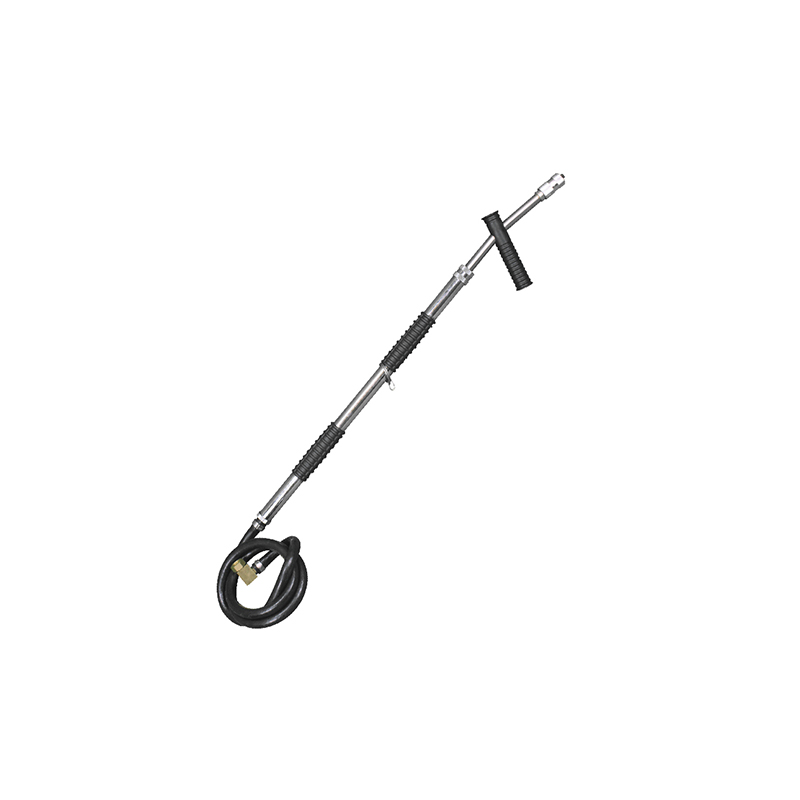
In contrast, a Trombone Sprayer utilizes a continuous push-pull pump mechanism. The device consists of a sliding brass or metal tube assembly. Pulling the handle back draws liquid up through a weighted siphon tube, while pushing the handle forward forces the liquid out through the adjustable nozzle. Because the siphon tube drops directly into a separate, unpressurized container—such as a standard five-gallon bucket—you are completely freed from tank-size constraints. There is no need to stop and repressurize. As long as you continue the pumping motion and fluid remains in the bucket, the pressure remains consistent.
This continuous mechanical action translates your manual force directly into pounds per square inch (PSI). The fluid dynamics of the sliding cylinder allow a physically capable operator to generate significant pressure, far exceeding the output of a standard pump-up tank. By adjusting the nozzle to a concentrated stream, the resulting fluid velocity can propel liquid fertilizer to an effective spray height of 20 to 30 feet. This vertical reach is the primary mechanical advantage of the tool. It grants you the ability to deliver foliar feeds into the mid-canopy of ornamental trees and large shrubs that would otherwise require motorized spray rigs, heavy hoses, or dangerous ladder work to reach.
To operate the equipment effectively in the field, follow this standard mechanical sequence:
Submerge the weighted brass strainer at the end of the siphon hose completely into your bucket of mixed fertilizer.
Pull the sliding handle backward to draw the liquid up the hose and fill the internal brass cylinder.
Push the handle forward forcefully to expel the liquid through the nozzle.
Maintain a steady, rhythmic push-pull cadence to keep the spray pattern and pressure consistent.
You can apply liquid fertilizer directly to the leaves or to the soil at the root zone. The equipment is mechanically capable of performing both application methods, but the biological outcomes for the tree or shrub differ significantly depending on the approach you choose. Understanding basic plant physiology helps you deploy the equipment effectively on site.
Foliar feeding involves spraying a fine mist of liquid fertilizer directly onto the foliage. Leaves are primarily designed for photosynthesis and gas exchange, not nutrient absorption. While the stomata and the waxy cuticle can absorb certain dissolved minerals, their overall capacity remains low. Foliar feeding is highly efficient for correcting acute micronutrient deficiencies—such as iron chlorosis in oaks or zinc deficiency in pecans—because the nutrients bypass the root system and enter the plant tissue rapidly. You can often see the visual greening effect within a few days of application.
However, foliar application is a rapid, temporary corrective measure for stressed plants. It is not a foundational feeding program. Leaves simply cannot absorb sufficient quantities of macronutrients—Nitrogen (N), Phosphorus (P), and Potassium (K)—to sustain a tree or support long-term growth. Attempting to supply a tree's total nitrogen requirement through the canopy requires constant, repeated spraying that is neither practical nor biologically sound.
For foundational macronutrient delivery, soil drenching remains the standard approach. Using this manual sprayer for soil drenching requires a simple mechanical adjustment. You twist the brass tip to change the spray pattern from a fine, atomized mist to a heavy, solid stream. Instead of aiming at the canopy, you apply the liquid fertilizer directly to the soil along the tree's drip line. The drip line is the critical root zone located directly beneath the outer circumference of the branches, where the most active feeder roots live.
The siphon-tube design excels during root drenching because it allows for precise volumetric application. You can mix a specific volume of fertilizer solution in a bucket, place the siphon hose inside, and pump until the bucket is empty. This guarantees that the exact prescribed dose of liquid fertilizer penetrates deep into the root zone. It ensures thorough soil saturation without the wasteful runoff associated with high-volume, untargeted garden hose applications.
Application Method Comparison
Application Type | Primary Target | Best Used For | Nozzle Setting |
|---|---|---|---|
Foliar Feeding | Leaves and upper canopy | Rapid correction of micronutrient deficiencies (Iron, Zinc). | Fine mist for maximum leaf coverage. |
Root Drenching | Soil at the drip line | Foundational macronutrient delivery (N-P-K). | Solid stream for deep soil penetration. |
Accurate dosing prevents phytotoxicity (fertilizer burn), protects delicate root systems, and stops environmentally harmful runoff. Applying too little fertilizer wastes your time and yields poor results, while applying too much damages the plant. Precision control over the chemical-to-water ratio is a strict requirement for any landscaping task.
Hose-end sprayers are frequently used for liquid fertilization due to their convenience. They attach to a standard garden hose and use the flow of water to siphon fertilizer concentrate from an attached bottle, mixing it inline before it exits the nozzle. However, this auto-dilution process introduces significant variables on the job site. The actual dilution rate fluctuates based on municipal water pressure, hose diameter, and the viscosity of the fertilizer. Users often struggle to accurately dose the standard recommendation of one to two ounces of liquid fertilizer per gallon of water. Dial settings prove confusing, and a sudden drop in water pressure drastically alters the concentration hitting the plant.
The bucket method eliminates these variables entirely through precision pre-mixing. Because the intake hose draws from a static reservoir, you must batch-mix the solution beforehand. This requirement guarantees the exact concentration. If a manufacturer recommends two ounces of fertilizer per gallon of water, you simply pour ten ounces of concentrate into a five-gallon bucket and fill it with water. The resulting solution is perfectly calibrated. There is zero risk of pressure drops altering the dilution rate during your application.
Calculating ratios for bulk bucket mixtures removes the guesswork. When translating per-gallon recommendations into larger batches, you easily control the strength of the solution based on the specific needs of the tree or shrub. Furthermore, batch mixing allows for manual agitation. Many liquid fertilizers, particularly organic suspensions, tend to separate. By stirring the mixture in the bucket periodically during application, you ensure an even, consistent feed from the first pump to the last.
Follow these steps to calibrate your bucket mix accurately:
Read the fertilizer label to find the recommended ounces per gallon for your specific plant type.
Determine the total gallons needed for the job (e.g., a 5-gallon bucket).
Multiply the ounces per gallon by the total gallons (e.g., 2 oz x 5 gallons = 10 oz of concentrate).
Pour the measured concentrate into the empty bucket first.
Fill the bucket with water to the 5-gallon mark, allowing the water pressure to mix the solution naturally.
Stir the mixture with a paint stick or branch before dropping the siphon hose in.
Equipment Dosing Comparison
Feature | Batch Mixing (Bucket Method) | Inline Dilution (Hose-End) |
|---|---|---|
Dosing Accuracy | Exact. Pre-measured in a bucket prior to application. | Variable. Depends on water pressure and dial calibration. |
Dilution Control | 100% controlled by the operator during the mixing phase. | Susceptible to inline pressure fluctuations. |
Mobility | High. Limited only by the placement of the bucket. | Restricted by the length and weight of the garden hose. |
Agitation | Manual stirring ensures suspensions remain mixed. | Relies solely on the inline siphoning action. |
Not all fertilizers pass through a manual pump mechanism without causing damage, blockages, or excessive wear. The longevity of your equipment depends heavily on understanding chemical compatibility and the physical properties of the fertilizers you apply. Pumping the wrong material through a brass cylinder quickly destroys the internal seals.
Soluble powders and fully dissolved synthetic liquid concentrates are the ideal candidates for this type of equipment. Because these products dissolve completely into the water column, they pass smoothly through the intake filter, the brass cylinder, and the fine nozzle aperture without creating friction or clogs. They require minimal agitation once mixed and present the lowest risk of mechanical failure. Products like liquid urea or dissolved ammonium sulfate work perfectly.
Conversely, high-viscosity organic fertilizers pose distinct challenges in the field. Thick fish emulsions, kelp meals, and bone meal suspensions often contain particulate matter and heavy organic solids. While these are excellent for soil health, they strain the pump seals of a manual sprayer. The thick fluid increases the resistance during the pull stroke, requiring more physical effort from you. If you do not dilute the organic matter sufficiently, it accumulates around the internal check valves. This prevents the small glass or steel balls from seating properly, causing an immediate loss of pressure.
Handling specialized tree and shrub fertilizers—such as 14-4-5 blends containing 50% Slow-Release Nitrogen (SRN)—requires careful execution. SRN formulas often utilize suspended microscopic polymers or urea-triazone solutions to delay nutrient release. The wide diameter of the siphon intake and the high-velocity mechanical pumping action keep these particles moving, provided you stir the bucket mixture frequently to prevent the SRN from settling at the bottom.
Managing clogs and nozzle wear is an inevitable part of equipment maintenance. The primary failure points in manual sprayers are the rubber O-rings, the internal check valves, and the brass nozzle threads. Synthetic fertilizers contain high levels of mineral salts. If left inside the pump assembly after application, these salts crystallize as the water evaporates. The resulting abrasive crystals shred the O-rings during your next use and corrode the brass components.
Establishing a strict post-application cleaning protocol prevents this damage. Follow these maintenance steps after every fertilizer application:
Remove the siphon hose from the fertilizer bucket.
Place the weighted strainer into a separate bucket of clean, warm water.
Pump at least two gallons of clean water through the system, discharging it onto a safe area of the lawn.
Unscrew the adjustable brass nozzle and rinse the threads to remove trapped salt deposits.
Pump the handle a few times while the hose is out of the water to expel any remaining moisture from the cylinder.
Relying on manual equipment introduces human and environmental variables that you must manage to ensure safe and effective fertilizer application. Recognizing these risks prior to beginning the job allows you to implement appropriate mitigation strategies and avoid damaging your plants or exhausting yourself.
The most significant human risk is physical fatigue. Pumping a manual sprayer is a strenuous, repetitive upper-body exercise. Generating enough pressure to reach a 25-foot canopy requires forceful, continuous push-pull motions. Applying 10 to 15 gallons of liquid fertilizer using this method demands significant stamina. As operator fatigue sets in, your pump stroke naturally shortens. This results in a drop in pressure, a reduction in vertical reach, and an uneven application of the fertilizer across the canopy.
To mitigate ergonomic trade-offs, scale your usage appropriately. Reserve this tool for specific, high-value specimen trees, isolated shrub borders, or targeted micronutrient corrections. It is not the correct tool for large-scale applications. If the task involves fertilizing extensive lawn areas, long perimeter shrub borders, or dozens of hanging baskets, transition to a hose-end sprayer or a motorized backpack unit to maintain efficiency and prevent physical exhaustion.
Environmental factors also play a critical role on the job site, particularly wind drift and evaporation. When you spray liquid fertilizer 20 feet into the air, the atomized droplets are highly susceptible to wind currents. Even a mild breeze carries the fertilizer away from the target canopy, depositing it onto unintended plants, hardscapes, or neighboring properties. This wastes expensive product and potentially damages sensitive non-target vegetation.
Application timing is your primary mitigation strategy for environmental risks. Conduct your spraying only during periods of calm air, typically in the early morning or late evening. These timeframes offer secondary biological benefits. Plant stomata generally open during the cooler, more humid hours of the morning, maximizing the absorption of foliar fertilizers. Furthermore, applying liquid nutrients during the heat of midday causes rapid evaporation of the water carrier. This leaves behind concentrated fertilizer salts on the leaf surface, which causes severe phytotoxic burning.
Identify the specific nutrient deficiency in your trees through a soil or tissue test before selecting a liquid fertilizer.
Calculate and mix your chosen soluble fertilizer in a 5-gallon bucket to guarantee exact dosing ratios and prevent plant burn.
Test the vertical reach and spray pattern of your equipment using plain water to confirm you can hit the target canopy before introducing chemicals.
Apply foliar feeds during the early morning or late evening to maximize leaf absorption and prevent rapid evaporation.
Flush the pump assembly and siphon tube with clean water immediately after application to prevent salt crystallization and seal degradation.
A: Yes, the equipment handles both chemicals. However, we highly recommend using separate sprayers for fertilizers and pesticides, especially herbicides. Even with thorough flushing, trace chemical residue often remains in the pump cylinder or siphon hose. This leftover residue can accidentally damage or kill your trees and shrubs during a subsequent fertilizer application.
A: When you adjust the nozzle to a solid stream and apply forceful, continuous pumps, the liquid reaches heights of 20 to 30 feet. This makes it highly effective for reaching the mid-canopy of ornamental trees without the need for ladders or motorized equipment.
A: Foliar feeding is a temporary, supplemental treatment that rapidly corrects specific micronutrient deficiencies, such as iron or zinc. It cannot provide the total macronutrients required to sustain a tree. A sick tree usually requires a comprehensive approach, including deep root drenching and proper soil management.
A: Instead of relying on the inline auto-dilution of a hose-end attachment, you must batch-mix the fertilizer. Calculate the total required dose and mix it directly into a bulk container, like a 5-gallon bucket filled with water. The siphon tube then draws this perfectly calibrated mixture.
A: Yes, it handles SRN formulas effectively. The wide siphon tube and high-velocity pump action prevent the suspended polymers from clogging the system. However, you must manually stir the bucket mixture frequently during application to keep the heavy SRN particles suspended in the water column.
A: High-viscosity organic fertilizers, like thick fish emulsions or kelp meals, strain the internal seals and potentially clog the check valves if not heavily diluted. Soluble powders and clear liquid concentrates are much safer for the longevity of the brass components and rubber O-rings.


