Views: 0 Author: Site Editor Publish Time: 2026-10-27 Origin: Site


Picture this. You have just invested serious capital in premium agricultural chemicals or industrial-grade surface cleaners. You load the tank, calibrate the pump, and head out to the job site. Despite your careful preparation, the results are a complete disaster. The crops show severe chemical burn, or the concrete surface looks heavily streaked. What actually went wrong? In the vast majority of field failures, the root cause traces back to a single, heavily ignored component. The tip at the very end of your wand.
Fluid dynamics dictate the ultimate success or failure of your entire application process. Without the correct spray pattern, even the most expensive chemical solutions distribute unevenly. This leads to massive financial waste and severe environmental runoff. In this comprehensive technical guide, we will dissect the empirical differences between flat fan and multi-hole designs. You will gain the exact engineering knowledge needed to match the right tool to your specific operational parameters.
Key Takeaways
Applicator tips act as the essential control mechanism metering flow rate, droplet size, and distribution uniformity.
A flat fan design provides uniform overlapping coverage. It is the undisputed champion for broadcast spraying of contact herbicides, insecticides, and industrial surface cleaning.
A multi-hole design produces heavy solid streams that kill wind drift and prevent foliage burn. This makes it the mandatory standard for liquid fertilizer application.
Choosing between the two depends entirely on the chemical formulation, target surface area, and ambient environmental factors like wind speed.
When building a fluid system, operators frequently obsess over pump capacity and tank volume. They completely overlook the final point of fluid exit. However, the physical geometry of the tip is exactly what translates mechanical pressure into biological efficacy or cleaning power.
Think of this component as the steering wheel of your entire system. It performs three fundamental mechanical functions. First, it converts pressurized liquid into specific droplet sizes. Second, it meters the volumetric flow rate measured in gallons or liters per minute. Third, it shapes the liquid into a predictable geometric pattern. Without precise control over these three variables, you risk severe over-application in concentrated hot spots and untreated gaps in others.
To make an informed purchasing decision, operators must understand the delicate relationship between pressure, droplet size, and environmental drift. Droplet size is scientifically measured in Volume Median Diameter, expressed in microns. Forcing high pressure through a narrow orifice creates fine droplets typically under 200 microns. While these fine mists provide exceptional surface coverage, they are highly susceptible to wind drift. The physical movement of airborne chemicals away from the intended target zone is a massive liability. Balancing adequate coverage with drift mitigation is what separates amateur users from professional engineers.
Before diving into specific geometries, we need to look at where the application industry is rapidly heading. Stricter environmental regulations and the soaring costs of chemical inputs are forcing a massive shift in agronomic practices. Environmental protection agencies globally are cracking down hard on off-target chemical drift, particularly near waterways and sensitive adjacent crops.
Consequently, modern precision agriculture heavily favors coarse-droplet technologies. Gone are the days of blasting high-pressure mists indiscriminately across an entire field. Today, the focus is entirely on targeted nutrient delivery and drift-reduction engineering. Manufacturers are designing tips that maintain heavy droplet mass even under fluctuating boom pressures. This industry-wide evolution makes selecting the correct pattern not just a matter of operational efficiency, but of strict regulatory compliance.
Engineered specifically for broad horizontal surface coverage, this geometry is arguably the most widely utilized spray tip across both agricultural and commercial sectors. Whether you are treating a sprawling field of broadleaf weeds or laying down a uniform layer of concrete sealant, this design ensures every millimeter of the target area receives direct chemical contact.
Mechanically, this system forces pressurized fluid through a precisely machined elliptical orifice. As the liquid exits, it spreads outward to create a thin flat sheet of spray. Traveling further from the tip, the fluid naturally breaks apart into fine to medium-sized droplets. When utilizing a standard flat fan nozzle, you will typically encounter spray angles ranging from 65 to 110 degrees. Opting for a wider angle allows the boom to be positioned closer to the ground. This simple adjustment significantly reduces the time droplets spend suspended in the air.
It is critical to distinguish between the two primary variations of this pattern. A tapered edge tip produces a spray where the volume of liquid gradually tapers off at the outer boundaries. This specific engineering is meant for multi-nozzle boom sprayers. The tapered edges of adjacent tips overlap by 30 to 50 percent to create a perfectly seamless uniform distribution across a massive 60-foot boom. In contrast, an even tip distributes exactly the same volume of liquid across its entire width. Even patterns are strictly reserved for band spraying directly over individual crop rows and should never be used in overlapping boom configurations.
This design delivers exceptional uniform coverage across broad areas. The fine droplets adhere brilliantly to vertical plant foliage and hard surfaces, making it highly effective for contact-based chemicals and pressure washing. On the downside, inherently smaller droplets carry a significantly higher risk of wind drift. If used to apply harsh liquid nitrogen fertilizers, the fine mist will coat the plant leaves and frequently cause severe phytotoxicity.
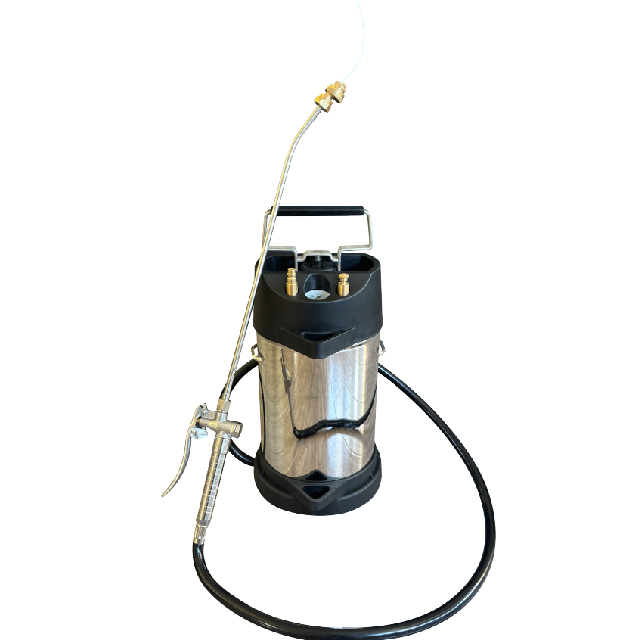
While fan patterns excel at painting a surface with fine droplets, certain agronomic applications require targeted chemical delivery with zero misting. This is exactly where the multi-hole design becomes an indispensable asset in the field.
Instead of forcing liquid through a single slotted orifice to atomize it, this specialized metering plate contains multiple distinct circular holes. Depending on the specific model, you will typically see 3, 4, 5, or 7 orifices. For instance, advanced 4-way stainless steel configurations intentionally prevent the liquid from atomizing into a sheet. They generate distinct solid streams of heavy liquid that drop straight down from the applicator body to the earth below.
Imagine a breezy Tuesday morning on the farm with a tank full of expensive Urea Ammonium Nitrate. If you push that fertilizer through a standard fan tip, the crosswind will carry a fine mist directly onto the delicate upper leaves of your corn. By mid-afternoon, those leaves will be scorched. By utilizing a multi-hole spray nozzle, you leverage the raw physics of mass. The resulting droplets are incredibly coarse, often exceeding 800 microns. Because they possess significant mass and terminal velocity, they succumb immediately to gravity. They shatter straight through the crop canopy and bypass the foliage to deliver nutrients directly to the root zone.
This geometry produces virtually zero wind drift. It is the absolute safest method for applying liquid fertilizers because it prevents costly foliage burn. It also offers unparalleled soil penetration through thick established crop canopies. However, it is highly inefficient for applications requiring broad leaf coverage. It should never be used for contact herbicides or fungicides since the solid streams will leave the vast majority of the biological surface completely untreated.
To facilitate an objective purchasing decision, operators must evaluate how different fluid dynamics perform under specific field parameters. Below is an empirical comparison of the core differences between these two essential tools.
Operational Metric | Flat Fan Design | Multi-Hole Design |
|---|---|---|
Droplet Size VMD | Fine to Medium 150–300 microns | Extremely Coarse 800+ microns |
Spray Pattern | Tapered or even flat sheet | Multiple distinct solid streams |
Wind Drift Risk | Moderate to High | Extremely Low |
Foliage Impact | High retention on leaves | Low retention bounces off leaves |
Ideal Pressure | 30 to 60 PSI | 15 to 40 PSI |
Primary Application | Broadcast herbicides, cleaning | Liquid fertilizers, soil treatments |
The most significant divergence between these two tools lies in droplet physics. Fine droplets coat surfaces beautifully but are easily caught by crosswinds. This leads to severe off-target environmental hazards. The multi-hole tip acts as a dedicated drift-reduction mechanism. By emitting solid streams, it creates droplets so massive that standard agricultural wind speeds cannot alter their downward trajectory.
Coverage requirements should always dictate your choice of equipment. The fan geometry is engineered purely for horizontal surface saturation. Conversely, the multi-hole tip is designed for vertical penetration. Its primary goal is not to cover the surface, but to pierce right through it. This ensures soil-active chemicals reach the earth without resting on the vegetation above.
Pressure directly influences structural performance. Fan patterns typically require higher operating pressures ranging from 30 to 60 PSI to maintain the integrity of their angle. This ensures the outer edges do not collapse. Multi-hole units operate optimally at much lower pressures around 15 to 40 PSI. Pushing excessive pressure through a multi-hole tip will cause the solid streams to violently break apart into smaller droplets. This instantly defeats the engineering purpose of the design and drastically increases the risk of chemical burn.
Selecting the correct pattern is never a matter of personal preference. It is a strict engineering protocol of matching the tool to the specific chemical properties and environmental parameters of the task at hand.
In the agricultural sector, this is the mandatory choice for applying contact herbicides, fungicides, and insecticides. Because these specific chemicals require total leaf coverage to be biologically effective, the overlapping sheet ensures no foliage is missed. In industrial settings, this pattern provides the necessary impact force and uniform distribution required for power washing concrete or applying broad-spectrum sealants.
For turf management and broad-acre farming, this is the undisputed standard for applying liquid nitrogen and other top-dress fertilizers. Applying caustic fertilizers with a fine mist draws moisture out of the plant tissue and causes severe necrosis. The heavy streams of this specific tip protect the crop canopy. They slide cleanly off the foliage and deliver vital nutrients safely to the root system.
The efficacy of your chosen pattern relies heavily on the machinery driving it. Whether you are operating a massive tractor-mounted boom or a handheld unit, the pump must sustain the required pressure and flow rate. Outfitting a high-capacity system with a properly calibrated spray nozzle ensures consistent boom pressure for massive field coverage. Always verify that your equipment's Gallons Per Minute rating exceeds the total combined flow rate of the tips you intend to install.
Beyond the geometric spray pattern, buyers must carefully evaluate the physical construction and standardized specifications of the components. This ensures longevity and precise application rates in the field.
The durability of your equipment depends entirely on the material from which it is milled or molded. The chemical composition of your tank mix should dictate your material choice.
Brass: Cost-effective and easy to machine, but highly susceptible to wear and corrosion. Suitable only for non-corrosive liquids and low-pressure homeowner applications.
Polyacetal Plastics: Offers excellent chemical resistance at an affordable price point. Modern polymers resist acidic fertilizers beautifully, though they wear prematurely if used with abrasive wettable powders.
Stainless Steel: The industry standard for rugged durability. It resists corrosion from harsh agricultural chemicals and maintains its internal orifice shape significantly longer than softer metals.
Ceramic: The premium professional option. Ceramic orifices offer unparalleled wear resistance. They are mandatory when spraying highly abrasive solutions over thousands of acres.
The commercial spraying industry utilizes a standardized ISO coding system. Understanding this universal language ensures you purchase the exact flow rate required for your calibration. A typical tip stamped with a code like "11004" tells you exactly what it does. The first three digits represent the 110-degree spray angle. The final two digits represent the flow rate in gallons per minute at a standard 40 PSI, which is 0.4 GPM. Furthermore, ISO standards use universal color-coding. A red tip will always denote a 0.4 GPM flow rate regardless of the manufacturer.
Even the highest-quality ceramic components will fail if subjected to poor maintenance protocols. Chemical buildup, hard water scaling, and physical abrasions alter fluid dynamics. This inevitably leads to uneven coverage and compromised crop yields.
Imagine standing in the middle of a 50-acre field with a clogged boom. The temptation to grab a pocket knife, a metal pin, or a piece of wire to clear the blockage is incredibly high. Do not do it. Introducing hard metals to a precision-milled orifice will permanently scratch and deform the edges. Even a microscopic scratch alters the spray angle and increases the flow rate beyond acceptable limits.
To clean a tip safely, remove it from the cap and soak it in a mild solvent or warm soapy water to dissolve chemical residue. Use a soft-bristled toothbrush or a dedicated plastic cleaning brush to gently clear the debris. Finally, utilize compressed air to blow out any remaining particulates from the reverse direction of the fluid flow.
Visual inspection is a trap. By the time a pattern looks visibly distorted with heavy streaks or asymmetrical edges, the system has likely been over-applying expensive chemicals for weeks. The most empirical method to test for wear is the catch test. Place a graduated cylinder under the tip and run the system at exactly 40 PSI for one minute. If the collected volume exceeds the manufacturer's rated output by 10 percent or more, the orifice has expanded due to friction. The component must be replaced immediately.
Selecting the optimal tip is the single most cost-effective way to spike your operational efficiency. A flat fan design ensures complete uniform surface coverage, making it the perfect choice for contact herbicides, fungicides, and heavy-duty industrial cleaning. In contrast, a multi-hole design serves as a highly specialized tool for delivering liquid fertilizers safely. Its heavy solid streams kill wind drift and stop devastating crop burn in its tracks.
Professional operators understand that no single pattern handles every task. By keeping a diverse selection of high-quality tips on hand, you can adapt instantly to shifting weather conditions and seasonal chemical requirements. Ready to upgrade your application accuracy? Stop wasting expensive chemicals with worn-out equipment. Explore the professional-grade selection of applicator tips, wands, and complete systems at ILOT China to find the exact engineering fit for your next job.
While mechanically possible, it is highly discouraged based on agronomic science. Liquid fertilizers like nitrogen are caustic to plant tissue. A fan pattern atomizes the fertilizer into fine droplets that adhere directly to the foliage. This draws out moisture and causes severe chemical burn. A multi-hole design is the scientifically safer choice because its coarse streams bypass the leaves and deliver nutrients safely into the soil.
Replacement schedules depend heavily on the orifice material and the abrasiveness of the tank mix. Plastic and brass components may require replacement every single season. Stainless steel and ceramic tips can easily last multiple years. As a strict operational rule, you should perform a catch-test calibration annually. If the flow rate exceeds the factory rating by 10 percent at a standard 40 PSI, they are worn out and must be discarded.
The ideal choice depends entirely on the chemical being applied. For liquid fertilizers, a multi-hole configuration produces heavy solid streams that are virtually immune to standard wind drift. For herbicides and insecticides that still require broad leaf coverage, an air-induction flat fan is the optimal solution. Air-induction technology draws air into the fluid stream, creating larger air-filled droplets that resist drift but still shatter upon impact to coat the leaf surface.
Generally speaking, yes, but field verification is always required. Most reputable global manufacturers adhere to ISO standards. This means their products will fit into standard universal bodies and quick-connect caps. However, you must always verify the threading, cap style, and gasket seating of your specific boom setup or handheld wand before purchasing. Using mismatched caps and tips results in pressure leaks and highly inaccurate application angles.


