
English 
T: +86-13606865631
E: sales@ilotchina.com
E: sales@ilotchina.com
No. 92, Mengdu Road, Jiaojiang, Taizhou, Zhejiang, China
Views: 0 Author: Site Editor Publish Time: 2026-01-23 Origin: Site


Can you really paint a car with an electric sprayer? This question sparks curiosity among DIY enthusiasts and car owners alike. Understanding the capabilities of electric sprayers is crucial for achieving professional results in automotive painting.
In this article, we’ll explore the potential of electric sprayers, focusing on their features and advantages. You’ll learn how iLOT, a leading provider of electric sprayers, ensures quality and innovation in every product. Get ready to discover if an electric sprayer is the right tool for your car painting project!
An electric sprayer is a versatile tool designed to apply liquids in a fine mist. It uses an electric motor to create pressure, enabling efficient and even distribution of various substances. These sprayers are increasingly popular for tasks ranging from gardening to automotive painting.
There are two main types of electric sprayers:
● HVLP (High Volume Low Pressure): These sprayers deliver a large volume of air at low pressure, which helps achieve a smooth finish with minimal overspray. They are ideal for detailed work and fine finishes.
● Airless Sprayers: These use high pressure to atomize the paint without the need for compressed air. They are great for covering large surfaces quickly and efficiently, making them suitable for car painting.
Type | Key Features | Best Use Cases |
HVLP | Low pressure, fine mist | Detailing, small projects |
Airless | High pressure, fast coverage | Large surfaces, quick jobs |
Electric sprayers come equipped with several features that enhance their usability and performance. Here are some essential aspects to consider:
1. Power Supply Options: Most electric sprayers operate on rechargeable lithium batteries or AC power. This flexibility allows users to choose the best option for their needs. For instance, iLOT sprayers often feature long-lasting batteries, enabling extended use without interruptions.
2. Adjustable Spray Patterns and Modes: Many electric sprayers offer adjustable settings, such as mist and streamline modes. This adaptability ensures that you can customize the spray to match different tasks. For instance, a mist setting might be perfect for delicate applications, while a more concentrated stream is better for heavy-duty tasks.
3. Ergonomic Design: Comfort is crucial when using a sprayer for extended periods. iLOT electric sprayers are designed with ergonomics in mind, featuring comfortable grips and lightweight constructions. This design reduces hand fatigue and improves overall control during use.
4. Ease of Use: Electric sprayers are generally user-friendly. They often come with intuitive controls, making it easy for anyone to start painting right away. Many models include features like leak-proof nozzles and easy-to-fill tanks, further simplifying the process.
With these features, electric sprayers, particularly those from iLOT, stand out in the market. They offer a combination of functionality, convenience, and comfort, making them a great choice for both DIY enthusiasts and professionals.
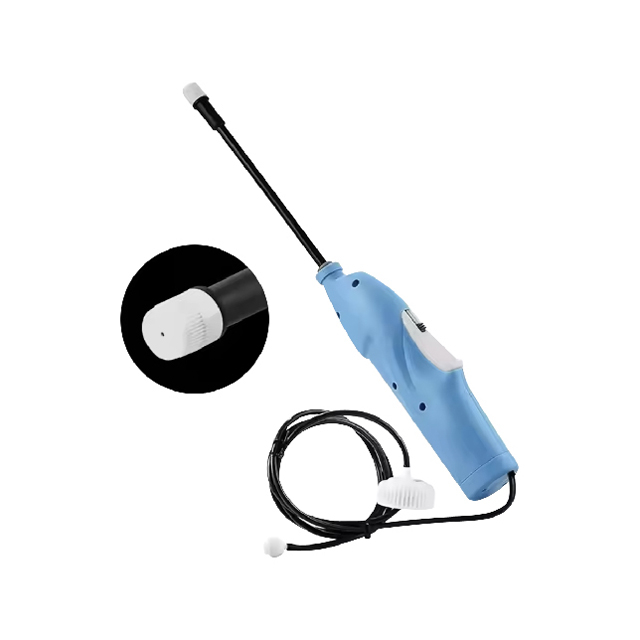
Using an electric sprayer for car paint is entirely feasible, but there are some important factors to consider. First, compatibility with automotive paints is crucial. Most electric sprayers can handle various paint types, including water-based and oil-based options. However, it’s essential to check the manufacturer’s recommendations for each specific sprayer model.
When it comes to paint viscosity, thinning is often necessary for optimal performance. Automotive paints typically require a specific consistency to achieve an even application. For instance, iLOT models like the FET001-04 are designed to work well with thinner paints, ensuring a smooth finish. This model's chemical resistance makes it a great option for handling various automotive coatings.
Paint Type | Recommended Viscosity | Thinning Ratio |
Water-based | 20-30 seconds (Ford Cup) | 10-20% water |
Oil-based | 25-35 seconds (Ford Cup) | 5-15% solvent |
Electric sprayers offer several advantages when it comes to painting cars. One significant benefit is their convenience. Unlike traditional spray systems, electric sprayers eliminate the need for manual pumping. This feature allows for continuous spraying without interruptions, making the painting process much smoother.
Portability is another key advantage. Electric sprayers are lightweight and easy to maneuver, making them ideal for use in various environments, especially garages. You can easily transport them from one location to another, which is great for DIY enthusiasts who may not have a dedicated workspace.
Moreover, with the right technique, electric sprayers can achieve exceptionally smooth finishes. iLOT's innovative designs incorporate advanced technology that minimizes overspray and enhances control. This means you can produce professional-looking results even if you’re a beginner.
To summarize the benefits:
● Convenience: No manual pumping required, allowing for uninterrupted work.
● Portability: Lightweight designs make them easy to use in different settings.
● Quality Finish: Advanced technology helps achieve smooth, even coats.
By leveraging these advantages, you can effectively use electric sprayers for car painting, transforming your vehicle with ease and precision.
One of the main challenges when using an electric sprayer for car painting is achieving a high-quality finish. A common issue is the "orange peel" texture, which occurs when the paint dries unevenly. This texture can be frustrating, especially if you aim for a professional look.
In comparison to traditional pneumatic systems, electric sprayers may struggle to deliver the same level of atomization. Pneumatic sprayers often provide finer mist and better control, resulting in smoother finishes. However, iLOT’s advanced spray technology helps mitigate these issues. By utilizing innovative nozzle designs and adjustable settings, users can achieve a more refined application, reducing the risk of imperfections.
Tips to Avoid Orange Peel Texture:
● Adjust the Spray Pressure: Lowering the pressure can help create a finer mist.
● Maintain Consistent Distance: Keep the sprayer at a uniform distance from the surface.
● Use Proper Technique: Overlapping strokes can help ensure even coverage.
Another challenge is ensuring paint compatibility. Not all paints work well with electric sprayers. It's essential to choose suitable paint types, such as water-based or oil-based options, which are compatible with your specific sprayer model.
Checking the chemical compatibility of the paint with the sprayer materials is crucial. For instance, iLOT sprayers are designed using chemical-resistant materials, making them ideal for various automotive coatings. This feature helps prevent damage to the sprayer and ensures a longer lifespan.
Paint Type | Compatibility with Electric Sprayers | Notes |
Water-based | Generally compatible | Easy cleanup, less odor |
Oil-based | Compatible, but may require thinning | Stronger fumes, longer drying time |
By understanding these challenges and how to address them, you can improve your results when painting a car with an electric sprayer. With the right approach, you can achieve a professional finish while enjoying the convenience of electric sprayers.
Before you start painting, preparing the vehicle is essential for achieving a professional finish. Begin by thoroughly cleaning the surface to remove any dirt, grease, or old paint. A clean surface allows the new paint to adhere better, reducing the chances of peeling or flaking later on.
Next, priming the surface is crucial. Use a suitable primer that matches your paint type. This step not only enhances adhesion but also helps in achieving a uniform color. After priming, masking off areas that you don't want to paint is vital. Use painter's tape to cover windows, trim, and other parts to avoid overspray.
When using iLOT’s electric sprayers, follow these recommendations for optimal results:
● Use the right nozzle: Ensure you have the correct nozzle size for the type of paint you are using.
● Adjust settings: Familiarize yourself with the sprayer’s settings to find the best combination for your project.
Thinning the paint is another critical step. Each paint manufacturer provides specific thinning ratios, which are important to follow. Proper thinning ensures the paint flows smoothly through the sprayer and adheres well to the surface.
To achieve the right consistency, start by adding a small amount of thinner. Mix thoroughly and check the viscosity. A good rule of thumb is to test the paint with a viscosity cup. Aim for a flow time of around 20-30 seconds for optimal spraying.
Paint Type | Recommended Thinning Ratio | Tips for Thinning |
Water-based | 10-20% water | Add gradually and mix well |
Oil-based | 5-15% solvent | Ensure thorough mixing |
Controlling fluid flow and spray patterns is essential for achieving even coverage. Most electric sprayers, including iLOT models, come equipped with adjustment knobs. These knobs allow you to control the amount of paint being sprayed, giving you more flexibility depending on the area you are painting.
To achieve even coverage, practice these techniques:
● Overlap your strokes: When spraying, overlap each pass by about 50% to ensure consistent coverage.
● Maintain a steady distance: Keep the sprayer at a consistent distance from the surface, usually about 6-12 inches, to avoid drips and uneven patches.
When it comes to choosing the right electric sprayer for automotive applications, iLOT offers several excellent models. Here are two recommended options:
1. iLOT FET001: This model features a high-capacity battery, allowing for extended use without frequent recharging. Its adjustable spray patterns make it versatile for various tasks.
2. iLOT E0047: Known for its precision spraying, this model is perfect for detailed work. It also includes a user-friendly interface, making it easy for beginners to get started.
Model | Battery Life | Key Features |
iLOT FET001 | Up to 60 minutes | Adjustable spray patterns |
iLOT E0047 | Up to 50 minutes | Precision nozzle for detail work |
By following these best practices and utilizing the right equipment, you can achieve impressive results when painting your car with an electric sprayer.
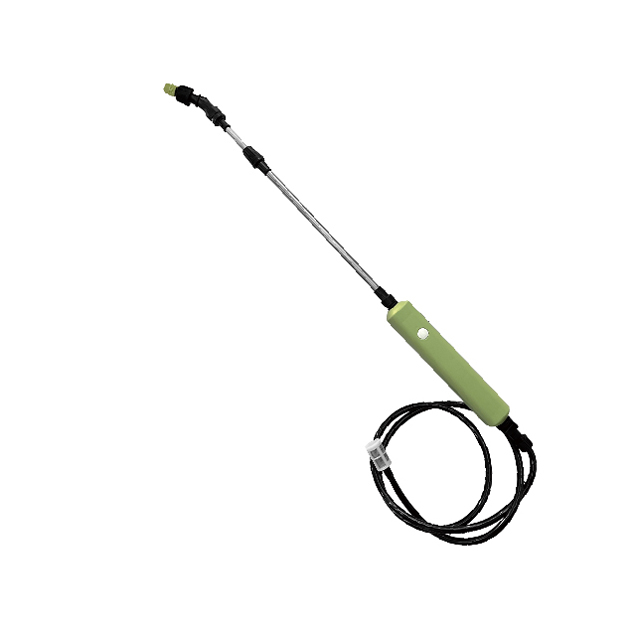
When it comes to painting a car with an electric sprayer, practice truly makes perfect. Before tackling your vehicle, it’s essential to test your technique on scrap materials. This practice allows you to understand how the sprayer operates and how different settings affect the paint application.
By experimenting on scrap pieces, you can gain valuable insights into the ideal distance, speed, and angle for spraying. This hands-on experience builds your confidence and helps you achieve better results when you finally paint your car.
Key Tips for Practice:
● Use Similar Materials: Choose scrap materials that mimic your car's surface.
● Experiment with Settings: Try different spray patterns and pressures to see what works best.
● Adjust for Consistency: Pay attention to how the paint flows and make adjustments as needed.
Creating the right environment for painting is critical to achieving a flawless finish. Ideal conditions include specific temperature and humidity levels. The best temperature for painting is typically between 60°F and 80°F (15°C to 27°C), while humidity should be low, around 40-70%. High humidity can cause the paint to dry too slowly, leading to runs and imperfections.
Setting up a clean, dust-free workspace is another essential factor. Dust and debris can settle on the wet paint, ruining the finish. Here are some tips for creating an optimal workspace:
Condition | Ideal Range | Tips for Maintenance |
Temperature | 60°F - 80°F | Use heaters or fans if needed |
Humidity | 40% - 70% | Use dehumidifiers if necessary |
Workspace cleanliness | Dust-free | Clean surfaces before starting |
● Choose a Well-Ventilated Area: Good airflow helps paint dry evenly and reduces fumes.
● Cover Surrounding Areas: Use drop cloths to protect nearby surfaces from overspray.
By adhering to these pro tips, you can significantly enhance your car painting experience using an electric sprayer, leading to impressive results.
In this article, we explored the feasibility of painting a car with an electric sprayer. We discussed best practices, including preparation, paint thinning, and environmental conditions.
We encourage readers to consider electric sprayers for their DIY car painting projects. Share your experiences or ask questions in the comments below!
iLOT is committed to providing high-quality, innovative solutions for all your automotive care needs.
A: Not all electric sprayers are suitable. Choose models designed for automotive paints, like iLOT's FET001.
A: Use water-based or oil-based paints compatible with your sprayer. Always check for chemical compatibility.
A: Practice on scrap materials, adjust spray settings, and maintain a consistent distance from the surface.
A: Yes, electric sprayers can effectively handle touch-ups, providing a smooth finish when used correctly.
A: Clean the surface thoroughly, apply a suitable primer, and mask off areas to prevent overspray for best results.


