Views: 0 Author: Site Editor Publish Time: 2026-01-26 Origin: Site


Are you tired of struggling with manual sprayers? Electric sprayers can make your tasks easier and more efficient.
In this article, we’ll explore how to assemble an electric sprayer correctly to ensure optimal performance.
Whether you're a homeowner, gardener, or commercial user, proper assembly is key to maximizing your sprayer's capabilities. You’ll learn step-by-step instructions and essential tips for a successful setup.
An electric sprayer is a device designed to dispense liquids efficiently. It uses an electric motor to create pressure, allowing for a consistent spray pattern. This functionality makes it ideal for various tasks, from gardening to pest control.
There are different types of electric sprayers available, including:
● Backpack Sprayers: These are worn on the back, making them easy to carry during extended use. They are perfect for larger areas.
● Handheld Sprayers: Compact and lightweight, these are great for small jobs around the home or garden.
● Cart Sprayers: These have wheels for mobility, suitable for larger projects where portability is essential.
Type of Electric Sprayer | Description | Ideal Use Case |
Backpack Sprayer | Worn on the back for ease of use | Large gardens, commercial use |
Handheld Sprayer | Small and portable for quick tasks | Home use, small gardens |
Cart Sprayer | Wheel-mounted for easy transportation | Large-scale applications |
Electric sprayers offer several advantages over traditional manual sprayers. One of the most significant benefits is efficiency. They can cover larger areas in less time, allowing users to complete tasks quickly. This efficiency saves time and energy, making it easier to manage various projects.
Another key benefit is the reduction of physical strain. Manual sprayers often require pumping, which can lead to fatigue. Electric sprayers eliminate this need, allowing users to spray comfortably without tiring their arms or wrists.
Moreover, electric sprayers are incredibly versatile. They can be used for a variety of applications, including:
● Gardening: Perfect for watering plants or applying fertilizers.
● Pest Control: Ideal for spraying insecticides or herbicides effectively.
● Painting: Useful for applying paint evenly on surfaces.
With electric sprayers, you can tackle multiple tasks efficiently, making them a valuable tool for homeowners and professionals alike. Their ability to adapt to different needs enhances their appeal, ensuring you get the most out of your investment.
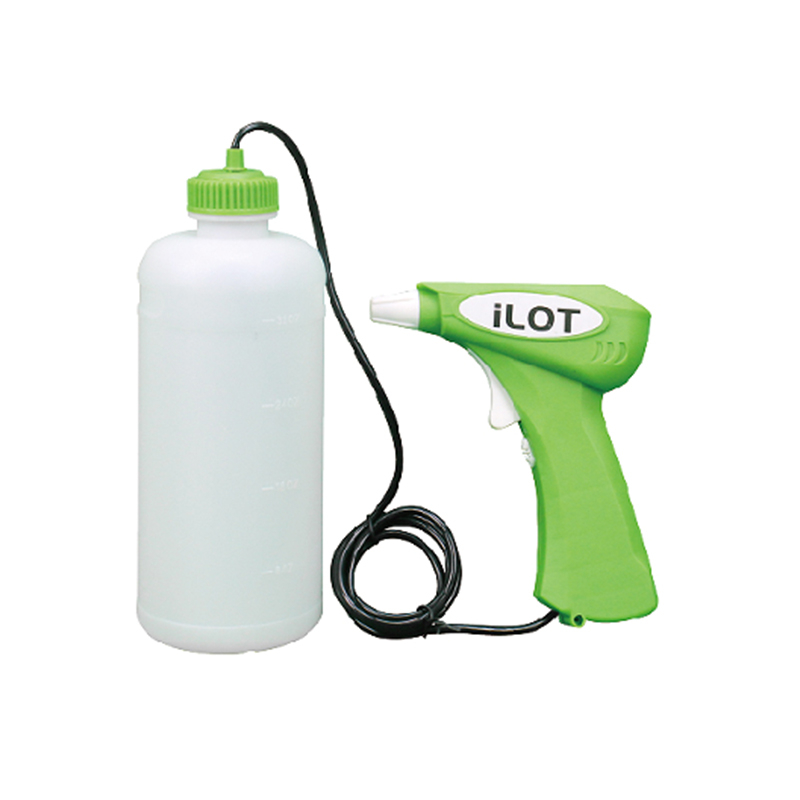
Before diving into assembly, it’s essential to unpack your electric sprayer carefully. When you open the box, you should find several key components. Here’s a checklist of what to look for:
● Sprayer Tank: The main body that holds the liquid.
● Hose: Connects the tank to the spray nozzle.
● Nozzles: Various types for different spray patterns.
● Battery: The power source for electric models.
● User Manual: Guidance for assembly and operation.
Component | Description |
Sprayer Tank | Holds the liquid for spraying |
Hose | Transfers liquid from the tank to the nozzle |
Nozzles | Allows for different spray patterns |
Battery | Powers the electric sprayer |
User Manual | Provides assembly and usage instructions |
Checking for missing parts is crucial. A complete setup ensures smooth assembly and prevents frustration during use. If any components are missing, contact the retailer or manufacturer for replacements.
Once you’ve unpacked everything, the next step is charging the battery. This step is vital for ensuring your electric sprayer operates effectively. Here’s how to do it:
1. Locate the Charging Port: Find the port on your sprayer where the charger connects.
2. Connect the Charger: Plug in the charger securely. Make sure it fits well to avoid loose connections.
3. Monitor the Charging Status: Most chargers have indicator lights. A red light usually means charging, while green indicates a full charge.
It's important to ensure the battery is fully charged before assembly. A fully charged battery maximizes performance and extends usage time. For instance, the iLOT E0042 backpack-type sprayer features a rechargeable battery that provides long-lasting power, making it ideal for larger projects.
By following these simple steps, you can prepare your electric sprayer for assembly and ensure it’s ready for action. Taking the time to unpack and charge properly sets the stage for a successful setup and effective use.
To begin assembling your electric sprayer, the first step is connecting the hose to the pump outlet. Start by locating the pump outlet, which is usually situated at the top of the tank. Take the hose and align it with the outlet. Firmly push the hose onto the outlet until it fits snugly.
Once connected, it’s crucial to tighten the connection to prevent leaks. You can use a wrench to ensure it’s secure, but be careful not to over-tighten, as this might damage the fitting. A well-connected hose ensures that your sprayer operates efficiently without any mess.
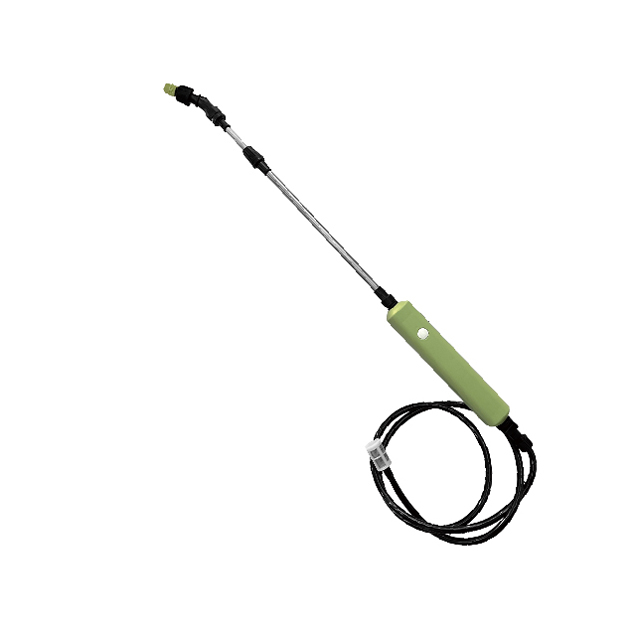
Next, you’ll need to assemble the wand, which is essential for directing the spray. Begin by attaching the spray gun or handle to the free end of the hose. Look for the connection point and push the handle onto the hose until it locks into place.
After securing the handle, attach the extension rod, or wand, to the spray gun. Align the rod with the gun and twist it until it clicks into position. This assembly allows for better reach and control during use, making your spraying tasks much easier.
Rubber gaskets play a vital role in preventing leaks in your electric sprayer. During assembly, you’ll need to insert these gaskets at various connection points. Typically, gaskets are placed where the hose meets the tank and at the nozzle attachment.
Ensure that each gasket is seated properly in its groove. This small step can make a significant difference in the performance of your sprayer, keeping your workspace clean and dry.
Choosing the right nozzle is essential for achieving the desired spray pattern. Electric sprayers often come with multiple nozzles for different applications, such as fine misting or heavy spraying.
To attach the nozzle, simply screw it onto the end of the wand. Start by aligning the threads and turning the nozzle clockwise until it’s secure. Make sure it’s tight but not overly so, as this could damage the threads. With the right nozzle attached, you’re ready to tackle various tasks efficiently.
Nozzle Type | Application |
Fine Mist Nozzle | Ideal for delicate plants or light applications |
Cone Nozzle | Great for general spraying |
Flat Fan Nozzle | Best for wide coverage on larger areas |
If you’re using a backpack model, it’s time to install the external attachments. Begin by securely attaching the shoulder straps to the sprayer. Look for the designated attachment points and make sure they are fastened tightly to ensure comfort during use.
Next, install any control buttons or switches. These are typically located on the handle or the main body of the sprayer. Follow the manufacturer’s instructions to ensure everything is connected correctly. Proper installation of these components enhances the usability of your electric sprayer, making it more convenient to operate.
Before you start using your electric sprayer, the first step is filling the tank with the appropriate liquid. Begin by removing the tank lid carefully. If you’re using a solution, make sure it’s suitable for your specific sprayer model.
To fill the tank, pour in water or the desired solution until it reaches the recommended fill line. It’s essential to avoid overfilling, as this can lead to spills during operation. Once filled, securely seal the tank lid. A tight seal prevents leaks and ensures that the pressure remains consistent during use.
For convenience, consider models like the iLOT FET001 series, which are designed to fit standard gallon jugs. This feature simplifies the filling process, making it easier to transfer liquids without mess.
Now that your tank is filled, it’s time for some important pre-use checks. Start by turning on the power switch. This action activates the sprayer and prepares it for operation. Check the battery status indicator to ensure the battery is fully charged. A well-charged battery is crucial for optimal performance, especially during extended use.
Next, test the pressure adjustment settings. Adjust the pressure according to your needs, whether for a fine mist or a stronger spray. To ensure everything is functioning smoothly, perform a quick test spray in a safe area. This test will help you confirm that the sprayer operates correctly and that the spray pattern meets your expectations.
Pre-Use Check | Action Required |
Power Switch | Turn on the sprayer |
Battery Status | Check indicator for charge level |
Pressure Adjustment | Adjust settings for desired spray |
Test Spray | Perform a quick test in a safe area |
By following these steps, you’ll be well-prepared to use your electric sprayer efficiently. Taking the time to fill the tank correctly and conduct pre-use checks ensures a smooth and effective spraying experience.
When using an electric sprayer, safety should always be your top priority. One of the most important precautions is wearing protective gear. This includes gloves, goggles, and masks to shield yourself from any chemicals or sprays. Protective gear minimizes the risk of skin irritation and respiratory issues, ensuring a safer working environment.
Additionally, it’s crucial to avoid contact with chemicals during use. Always read the labels on the products you are using, and follow the manufacturer's instructions carefully. If you spill any solution, clean it up immediately to prevent accidents. Keeping your workspace organized and free from hazards contributes to a safer spraying experience.
Proper maintenance of your electric sprayer is essential for its longevity and performance. After each use, take the time to clean the sprayer thoroughly. Residue buildup can clog the nozzle and affect the sprayer's efficiency. To clean it, run warm water through the system, followed by a cleaning solution if necessary.
Storing the sprayer correctly also plays a significant role in extending its lifespan. After cleaning, ensure it’s completely dry before putting it away. Store it in a cool, dry place, away from direct sunlight. This practice prevents damage to the components and keeps the sprayer ready for your next use.
Maintenance Task | Importance |
Cleaning After Use | Prevents residue buildup |
Proper Storage | Extends the lifespan of the sprayer |
Regular Inspections | Ensures all parts are functioning well |
At iLOT, we are committed to quality control and after-sales support, ensuring that our customers have the best experience with their electric sprayers. By following these safety and maintenance tips, you can enjoy effective and safe spraying for years to come.
Proper assembly of your electric sprayer is crucial for effective use. Following the steps outlined ensures optimal performance and efficiency.
Remember to adhere to safety and maintenance tips to extend the lifespan of your sprayer.
We encourage you to share your experiences or ask any questions in the comments below. Your insights can help others in their journey with electric sprayers!


