Views: 0 Author: Site Editor Publish Time: 2026-01-21 Origin: Site


Have you ever wondered how electric sprayers make tasks easier? These innovative tools are transforming gardening, cleaning, and painting.
An electric sprayer is a device that uses electricity to efficiently apply liquids.
In this article, we’ll explore how electric sprayers work, their key components, and their various applications. You’ll also learn about iLOT, a leading manufacturer in the electric sprayer industry.
Understanding how electric sprayers work involves examining their core components. Each part plays a crucial role in ensuring efficient operation, from the electric motor to the nozzle design.
The electric motor is the heart of an electric sprayer. It powers the entire system, converting electrical energy into mechanical energy. This energy drives the pump, which creates the pressure needed for liquid delivery.
There are several types of motors commonly used in electric sprayers:
● Brushed Motors: These are traditional and cost-effective but may require more maintenance.
● Brushless Motors: More efficient and durable, these motors provide longer life and less noise.
The choice of motor affects the sprayer's performance, efficiency, and overall durability.
The pump is essential for creating the pressure required to spray liquids effectively. There are three main types of pumps used in electric sprayers:
1. Diaphragm Pumps: These pumps use a flexible diaphragm to create pressure. They are excellent for handling a variety of liquids, including chemicals.
2. Piston Pumps: These pumps utilize a piston mechanism to generate high pressure, making them suitable for heavy-duty applications.
3. Gear Pumps: Found in many electric sprayers, including iLOT's FET001 model, gear pumps are known for their reliability and efficiency in liquid delivery.
Pump Type | Characteristics | Best Use Cases |
Diaphragm | Flexible, versatile | Chemicals, fertilizers |
Piston | High pressure, robust | Heavy-duty tasks |
Gear | Reliable, efficient | General spraying, iLOT's FET001 model |
The pump's design directly influences the sprayer's ability to maintain consistent pressure, which is critical for effective spraying.
The hose and nozzle are vital components that transport and disperse the liquid. The hose carries the pressurized liquid from the pump to the nozzle, ensuring a steady flow.
Nozzle design significantly impacts the spray pattern and efficiency. A well-designed nozzle can create various spray patterns, from fine mist to solid streams, depending on the application.
iLOT’s twistable nozzles are a great example of innovative design. They allow users to easily adjust the spray mode, making it versatile for different tasks, whether it’s watering plants or applying pesticides. The flexibility in nozzle design enhances the user experience, making electric sprayers even more effective in various applications.
In summary, the core components of electric sprayers—electric motors, pumps, hoses, and nozzles—work together seamlessly. Each plays a specific role in delivering efficient and effective spraying solutions for a variety of tasks.
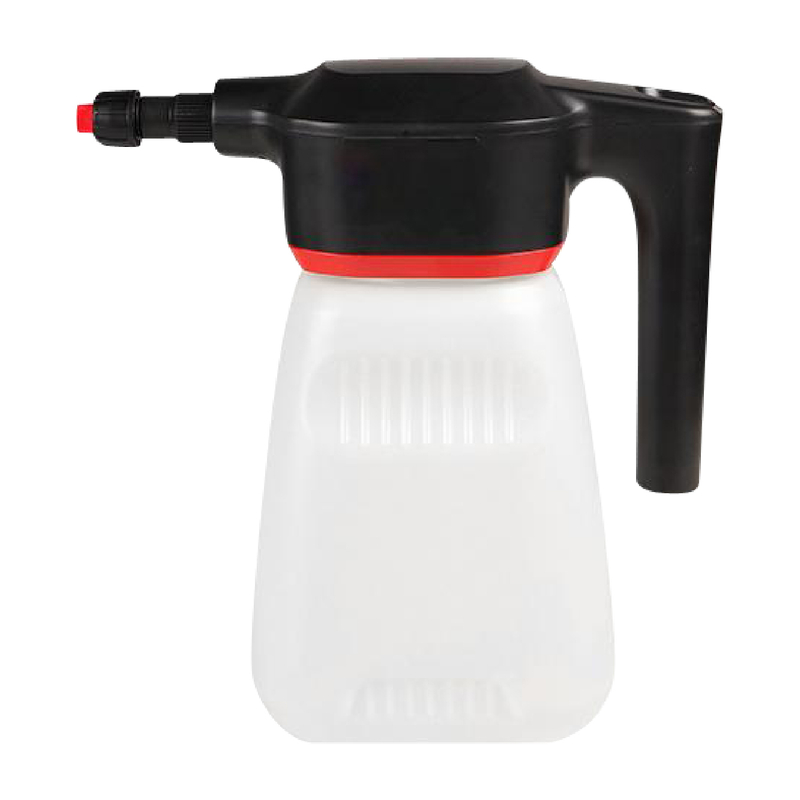
Electric sprayers are designed to make spraying tasks more efficient and effective. Understanding how they operate begins with two key processes: energy conversion and pressure generation.
At the heart of every electric sprayer is the conversion of electrical energy into mechanical energy. This transformation is essential for powering the sprayer's motor, which drives the pump. When you turn on the sprayer, the electrical energy from the battery flows into the motor. The motor then converts this energy into mechanical energy, which moves the pump and creates the pressure needed to spray liquids.
Batteries play a crucial role in this process. Most electric sprayers, like those from iLOT, utilize rechargeable battery systems. These batteries provide a reliable power source, allowing users to operate their sprayers without being tethered to an outlet.
For instance, iLOT’s models often feature advanced rechargeable batteries that not only extend operational time but also enhance portability. This means you can tackle larger tasks without worrying about running out of power.
Once the motor is running, the pump takes over to generate and maintain pressure. There are several types of pumps used in electric sprayers, each contributing to the overall performance. The pump works by drawing liquid from the reservoir and creating a pressure build-up, which forces the liquid through the hose and out of the nozzle.
Maintaining consistent pressure is vital for effective spraying. If the pressure fluctuates, the spray pattern can become uneven, leading to inefficient application. For example, a steady pressure ensures that the liquid is atomized properly, creating a fine mist or solid stream as needed.
Pump Type | Pressure Characteristics | Best Use Cases |
Diaphragm | Maintains steady pressure across various liquids | Chemicals, fertilizers |
Piston | Generates high pressure for heavy-duty tasks | Industrial applications |
Gear | Reliable pressure for general spraying | Home gardening, iLOT’s FET001 model |
In summary, the energy conversion process and pressure generation are fundamental to how electric sprayers operate. These components work together seamlessly, allowing users to achieve efficient and effective results in their spraying tasks.
Atomization is a crucial process in how electric sprayers operate. It refers to the breaking down of liquid into small droplets, which allows for an even and effective application. Understanding atomization helps us appreciate the efficiency of electric sprayers in various tasks, from painting to pest control.
Atomization is the process of converting liquid into a fine mist or spray. This is significant because it enhances the coverage area, ensuring that the liquid reaches its intended target effectively. A well-atomized spray can penetrate surfaces better, providing uniform coverage and reducing waste.
Electric sprayers utilize several atomization methods, each with unique advantages tailored to specific applications.
Airless sprayers operate by using high pressure to force the liquid through a small nozzle. This method creates a fine mist without the need for compressed air. The primary advantage of airless technology is its ability to apply thicker coatings evenly, making it ideal for painting and heavy-duty applications.
For example, iLOT's airless paint sprayer, the FES05001, exemplifies this technology. It is designed for professional use, delivering high efficiency and minimal overspray. Users often find it perfect for large surfaces, such as walls and fences, due to its consistent spray pattern.
HVLP sprayers operate at lower pressure while using a high volume of air to create a fine mist. This design reduces overspray, making it more environmentally friendly and cost-effective. By minimizing waste, HVLP sprayers are particularly beneficial for detailed work, such as furniture refinishing and automotive painting.
The mechanism behind HVLP sprayers ensures that the liquid is atomized effectively, allowing for smooth application. This makes them a popular choice among DIY enthusiasts and professionals alike.
Electrostatic sprayers utilize an electrostatic charge to attract liquid particles to the target surface. This method ensures even coverage, as the charged droplets are drawn to the surface being sprayed. The main advantage of electrostatic technology is its ability to coat surfaces uniformly, reducing the amount of product needed.
This technology is especially useful in agriculture and sanitation applications, where even coverage is critical. By using electrostatic sprayers, users can achieve better results while conserving resources.
Atomization Method | Key Features | Ideal Applications |
Airless Sprayers | High pressure, thick coatings | Professional painting, large surfaces |
HVLP Sprayers | Low pressure, high volume | Detailed work, furniture refinishing |
Electrostatic Sprayers | Charged droplets for even coverage | Agriculture, sanitation, and disinfection |
Understanding these atomization mechanisms helps users select the right electric sprayer for their specific needs. Each method has its strengths, making electric sprayers versatile tools for various applications.
Using an electric sprayer effectively involves several key operational steps. Each step is crucial for ensuring optimal performance and achieving the desired results in your spraying tasks.
Priming the sprayer is an essential first step. This process involves removing air from the system and ensuring that liquid can flow freely through the pump and nozzle. Proper priming helps prevent sputtering and inconsistent spray patterns, which can lead to inefficient application.
To prime the sprayer, follow these simple steps:
1. Fill the Reservoir: Start by filling the tank with the desired liquid, whether it’s paint, pesticide, or cleaning solution.
2. Turn on the Sprayer: Activate the sprayer to allow the motor to run.
3. Check for Air Bubbles: Observe the nozzle for any air bubbles or sputtering. If you notice this, continue to run the sprayer until a steady stream of liquid flows out.
This initial step sets the stage for optimal performance, ensuring the sprayer operates smoothly.
Adjusting the pressure settings is vital for different applications. Electric sprayers often come with adjustable pressure controls, allowing users to tailor the spray to their specific needs.
Here’s how to adjust the pressure:
● Locate the Pressure Control Dial: Most electric sprayers have a dial or button to change the pressure settings.
● Choose the Appropriate Setting: For fine applications, lower pressure is ideal, while higher pressure works best for thicker materials or larger areas.
● Test the Spray: After adjusting, test the spray on a piece of cardboard or a hidden area to ensure the desired pattern and coverage.
Proper pressure regulation not only enhances efficiency but also minimizes waste and overspray.
Once the sprayer is primed and the pressure is set, you can begin the spraying process. Here are the steps involved:
1. Position the Nozzle: Hold the sprayer at the recommended distance from the surface, usually 6 to 12 inches.
2. Pull the Trigger: Begin spraying by pulling the trigger. Ensure a steady motion to achieve even coverage.
3. Move in a Consistent Pattern: Use a back-and-forth or up-and-down motion, overlapping each pass slightly to avoid streaks.
4. Release the Trigger: When finished, release the trigger to stop the flow of liquid.
Step | Description |
Position the Nozzle | Hold the sprayer at the correct distance |
Pull the Trigger | Begin spraying with a steady motion |
Move Consistently | Use a pattern to ensure even coverage |
Release the Trigger | Stop the flow when done |
Following these operational steps ensures that your electric sprayer works effectively, delivering the best results for your projects. Whether you’re painting, cleaning, or applying pesticides, mastering these steps will enhance your experience and outcomes.
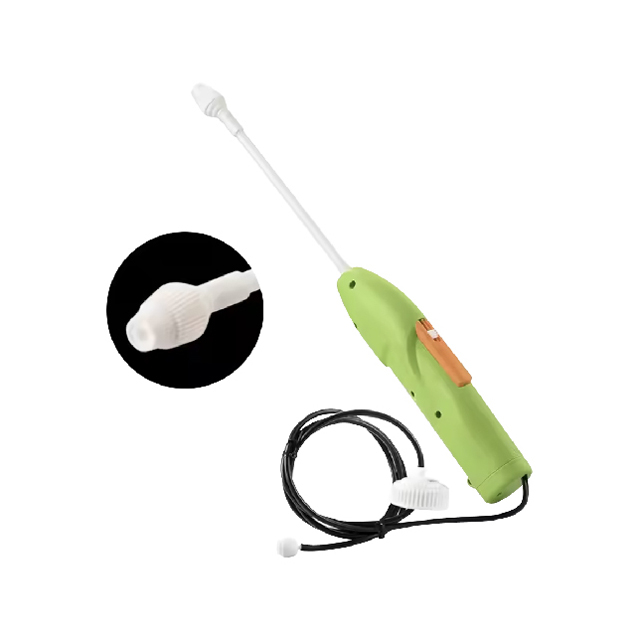
Electric sprayers are versatile tools that find applications in various settings, from home gardens to commercial environments. Their efficiency and ease of use make them ideal for a wide range of tasks.
In the home and garden, electric sprayers play a significant role in maintaining healthy plants and clean spaces. They are commonly used for:
● Weed Control: Applying herbicides effectively helps manage unwanted vegetation without harming desirable plants.
● Pest Management: Sprayers can deliver pesticides precisely where needed, ensuring effective pest control while minimizing chemical use.
● Cleaning: Electric sprayers are great for applying cleaning solutions on patios, decks, and outdoor furniture, making it easier to tackle tough stains.
iLOT offers a variety of electric sprayers designed specifically for home applications. Their lightweight and portable models make them perfect for casual users who need reliable performance for tasks around the house.
In commercial settings, electric sprayers are indispensable tools in several industries. They are used for:
● Agriculture: Farmers utilize electric sprayers for efficient application of fertilizers and pesticides, ensuring crops receive the necessary nutrients while controlling pests effectively.
● Landscaping: Professional landscapers rely on electric sprayers for applying herbicides and fungicides, helping maintain healthy lawns and gardens.
● Industrial Cleaning: Electric sprayers are effective for cleaning large surfaces in warehouses and factories, allowing for quick application of cleaning agents.
For commercial use, iLOT’s professional-grade electric spray wands provide durability and high performance. These sprayers are built to withstand rigorous use, making them ideal for professionals in agriculture and landscaping.
Electric sprayers also excel in specialized applications, such as:
● Painting and Coating Applications: They are perfect for applying paints and coatings evenly, whether for home projects or professional jobs. The fine atomization ensures a smooth finish without brush marks.
● Disinfection and Sanitation: In today's environment, electric sprayers are vital for disinfecting surfaces in schools, hospitals, and public spaces. They allow for quick and thorough application of sanitizing solutions.
Application Area | Typical Uses | iLOT Product Examples |
Home and Garden | Weed control, pest management, cleaning | iLOT Home Electric Sprayers |
Commercial | Agriculture, landscaping, industrial cleaning | iLOT Professional Electric Spray Wands |
Specialized | Painting, disinfection | iLOT Disinfection and Coating Sprayers |
Electric sprayers are invaluable tools that enhance efficiency and effectiveness across various applications. Whether in a home garden or a commercial setting, they make tasks easier and more efficient, leading to better results.
Electric sprayers efficiently convert electrical energy into mechanical energy. They atomize liquids for effective spraying. Their applications range from home gardening to commercial use, making them versatile tools.
When choosing the right electric sprayer, consider factors like pressure settings, nozzle types, and battery life. Selecting the right model ensures optimal performance for your specific needs. Overall, electric sprayers provide convenience and efficiency for various tasks.
A: Electric sprayers can handle various liquids, including paints, pesticides, herbicides, and cleaning solutions.
A: The lifespan of electric sprayers varies, but with proper maintenance, they can last several years.
A: Yes, electric sprayers are versatile and suitable for both indoor and outdoor use.
A: Always wear protective gear, ensure proper ventilation, and follow manufacturer instructions.
A: iLOT employs rigorous testing and high-quality materials to guarantee performance and durability.


