Views: 0 Author: Site Editor Publish Time: 2026-11-01 Origin: Site


Sticking forms ruin tight pouring schedules. When formwork refuses to release cleanly, your crew is left staring at a pockmarked concrete wall. That means hours of grinding, patching, and bleeding unexpected labor costs. Why risk a ten-thousand-dollar pour on a twenty-dollar plastic pump? Standard garden sprayers simply buckle under the pressure of a real job site. They are never engineered to handle the harsh chemicals, high dynamic viscosity, and heavy-duty demands of industrial release agents.
Using inadequate equipment inevitably leads to blown seals, sputtering nozzles, and premature tool failure. The definitive solution to these operational bottlenecks is investing in purpose-built equipment. A dedicated form oil sprayer serves as an essential workhorse for concrete contractors and serious builders who demand absolute reliability and precision.
In this comprehensive guide, we break down exactly what internal and external features actually matter on the job site. From selecting shatter-proof tank materials to identifying the correct chemical-resistant seals, you will learn how to choose a tool that survives the rigors of the trade and actively enhances your daily workflow.
Material Matters: Upgrading to a metal tank offers superior impact resistance and rust prevention compared to disposable plastic alternatives. This ensures longevity in rugged environments.
Seal Chemistry: Professional-grade seals like Viton or Teflon are non-negotiable. They actively prevent gasket swelling, chemical leaks, and dangerous pressure blowouts.
Precision Delivery: Brass wands equipped with flat fan-tip nozzles ensure a uniform, micro-thin coating. This reduces chemical waste and prevents discoloration caused by oil pooling.
Equipment Versatility: Heavy-duty sprayers seamlessly transition between form oils and high-solids curing compounds. This dual-purpose capability maximizes your return on investment.
Lifecycle Management: Even the most robust tools require routine solvent flushing and pump lubrication. Proper maintenance maintains precise spray patterns season after season.
The concrete construction sector is undergoing a massive chemical shift. Recent environmental regulations have forced a global transition away from traditional diesel-cut petroleum oils. Today, contractors must use VOC-compliant, water-based, and bio-based reactive release agents. While these modern formulations are eco-friendly, they present a distinct mechanical challenge.
Specifically, bio-based agents possess a much higher dynamic viscosity than older chemicals. They are thick, sticky, and difficult to atomize. You can no longer rely on low-pressure application methods. Contractors now require sprayers capable of sustaining higher working pressures—typically around 3 Bar or 45 PSI—to break these thick fluids down into a fine mist. Consequently, the industry is seeing a rapid upgrade cycle where crews are abandoning cheap agricultural pumps in favor of high-compression, chemically resistant industrial sprayers.
The fundamental difference between an off-the-shelf agricultural sprayer and a dedicated concrete form oil sprayer lies entirely in their engineering tolerances. Standard sprayers are manufactured strictly to handle water and mild pesticides. In stark contrast, specialized concrete equipment is over-engineered to process industrial-grade hydrocarbons without degrading.
Attempting to cut corners with cheap tools always results in inflated costs later. Standard Nitrile rubber seals absorb solvent bases. They swell and melt within days of chemical exposure. This internal degradation leads to clogged wands and highly uneven application. When release agents are applied unevenly, the concrete bonds directly to the forms. You will inevitably see surface spalling and bug holes during stripping. Ultimately, the labor required to repair these surface defects far exceeds the initial cost of buying the correct sprayer.
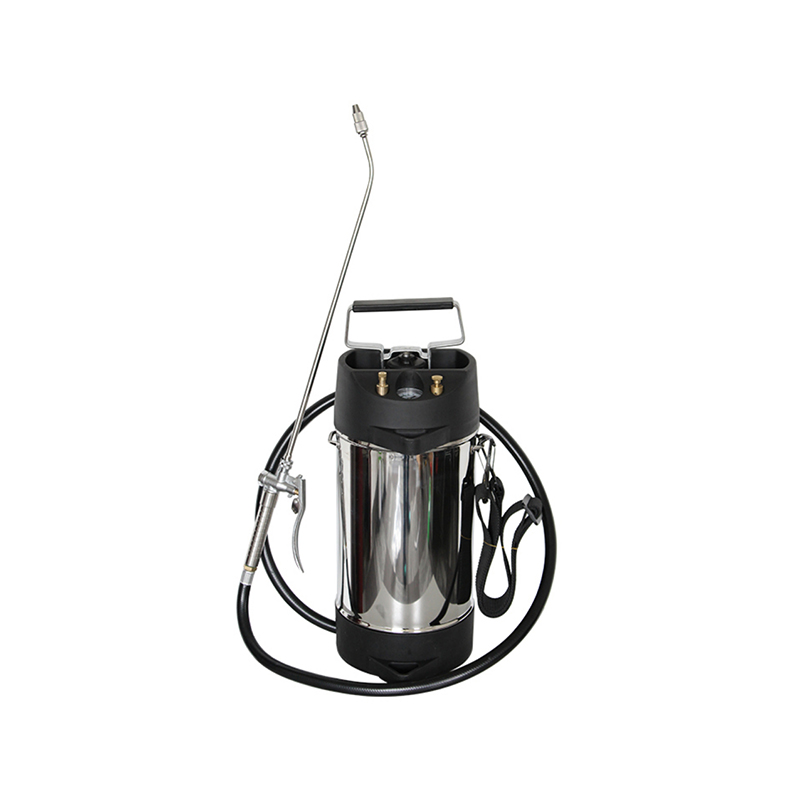
Identifying a premium tool requires looking past the exterior paint job. You must focus on the internal technical specifications. The following components separate professional-grade equipment from temporary, disposable alternatives.
Feature | Standard Garden Sprayer | Professional Form Oil Sprayer |
|---|---|---|
Seal Material | Nitrile Rubber or basic EPDM | Industrial Viton or Teflon |
Working Pressure | 15 to 25 PSI | 40 to 60 PSI sustained |
Wand Assembly | Flexible plastic or fiberglass | Solid machined brass |
Chemical Compatibility | Water and mild fertilizers | Solvents, xylene, and thick release agents |
The structural integrity of any pressurized vessel relies entirely on its seals. For concrete release agents, standard rubber is a severe liability. Professional sprayers must feature fluoroelastomer seals, typically known as Viton, or Polytetrafluoroethylene like Teflon. Viton exhibits exceptional resistance to aliphatic and aromatic hydrocarbons. It remains highly stable when exposed to aggressive solvents, preventing toxic leaks and dangerous pressure losses on the job site.
Efficiency during a large pour dictates a careful balance between portability and fluid volume. The optimal tank capacity for a handheld or shoulder-carried unit sits between 2.0 and 3.5 gallons. A larger tank becomes excessively heavy and strains the operator. Conversely, a smaller tank forces constant, frustrating refilling. Furthermore, the pump cylinder must generate sustained high pressure. A baseline of 45 PSI is mandatory to force viscous form oil through a fine nozzle orifice.
Job site safety and material conservation rely heavily on practical design elements. Pouring thick, slippery form oil from a heavy bucket into a narrow opening inevitably leads to spills. A wide-mouth funnel top allows for rapid, secure filling without needing secondary funnels. This simple structural feature minimizes the risk of environmental contamination and prevents the exterior of the tank from becoming a dangerous slipping hazard.
While high-density polyethylene tanks are common in lighter trades, upgrading to a metal tank provides distinct operational advantages for heavy civil and commercial concrete contractors.
Construction sites are notoriously unforgiving environments. Tools are frequently dropped from scaffolding, struck by lumber, or tossed carelessly into a truck bed alongside heavy rebar offcuts. A stainless steel concrete sprayer offers superior tensile strength and impact resistance. Units built from SUS304 or Grade 316 stainless steel resist cracking, puncture, and deformation under pressure. This ensures the vessel survives years of physical abuse.
Sticky reactive chemicals have a tendency to adhere to the porous, microscopic surface of plastic tanks. Over time, this alters the chemical composition of future batches. In contrast, stainless steel provides a non-porous, highly polished interior. It simply does not absorb dyes, odors, or chemical residues. When flushed with a standard degreaser, a steel tank washes out cleanly and rapidly. This drastically reduces downtime between different chemical applications.
Polyethylene tanks, regardless of their wall thickness, are susceptible to ultraviolet degradation. Prolonged exposure to direct sunlight breaks down the plasticizers. This results in a brittle tank that can shatter under sudden pressure. Stainless steel is completely immune to solar damage. It can be left exposed to harsh weather conditions, freezing temperatures, and intense summer sun without compromising its structural safety.
For contractors managing multiple stages of a build, consolidating equipment is a smart way to improve operational efficiency and reduce overhead.
An industrial concrete sealer sprayer is engineered to handle the most volatile construction chemicals on the market. This includes xylene, toluene, and high-solids curing compounds. Because sealers are often more chemically aggressive than standard form oils, a sprayer rated for sealers is inherently over-engineered for form release agents. This dual-purpose functionality allows a crew to use the same premium tool to prep the forms on day one, and seal the cured slab weeks later.
Industrial models frequently feature upgraded pump mechanisms. You will typically find solid machined brass cylinders and heavy-duty plunger cups. These premium components displace more air per stroke. The operator reaches maximum operating pressure with significantly fewer pumps. Furthermore, industrial brass pumps hold pressure longer and more consistently, preventing the spray pattern from tapering off mid-application.
From a procurement perspective, purchasing a single, heavy-duty industrial sprayer represents a far superior return on investment. Cheap sprayers act as single-use consumables on a commercial site. They require constant replacement and risk delayed production schedules. A single industrial-grade unit, supported by accessible rebuild kits, can reliably serve a crew for multiple seasons. This drives down your annualized equipment costs.
The tank and pump merely store and pressurize the fluid. The wand and nozzle actually dictate the precision of the application. The delivery system is arguably the most critical factor in achieving a flawless concrete finish.
The entire wand and nozzle assembly should be constructed of solid brass. Plastic wands warp easily when exposed to harsh solvents or high ambient temperatures. Additionally, the threads on plastic nozzles strip rapidly in abrasive construction environments. Brass provides unmatched thermal stability and mechanical strength. It ensures the wand will not snap when navigated through dense rebar grids.
The geometry of the spray pattern is vital. Adjustable cone nozzles concentrate too much fluid in the center. For form oil, a flat fan tip nozzle is absolutely required. These nozzles deliver a precise, rectangular spray pattern that applies a uniform film across flat surfaces. A standard flow rate rated for 0.1 to 0.5 gallons per minute is highly recommended to prevent over-application and pooling.
A high-quality shut-off valve must provide instantaneous fluid cessation. Drip-free trigger valves utilize a brass or stainless steel needle that forcefully seals the flow the exact moment the trigger is released. This prevents residual oil inside the wand from dripping onto previously poured concrete, exposed rebar, or the ground. A lock-on feature is also essential for reducing hand fatigue during continuous spraying.
Worker fatigue directly impacts application accuracy and overall productivity. A well-designed sprayer incorporates thoughtful ergonomic features to mitigate physical strain during prolonged, repetitive use.
Carrying three gallons of fluid combined with the dead weight of a steel tank places significant strain on the shoulders and lower back. Quality sprayers utilize wide, high-density foam padded straps. For maximum efficiency, backpack-style configurations distribute the weight evenly across the operator's center of gravity. They utilize chest straps to prevent the tank from shifting while climbing scaffolding.
The pump handle acts as the primary point of physical interaction with the machine. Ergonomic, D-shaped or T-shaped pump handles allow the operator to use the full force of their arm and shoulder, rather than just straining their wrist. The handle must be wide enough to accommodate heavy leather work gloves. It should also be textured to prevent slipping when coated in sweat or stray oil.
A standard three-foot hose forces the operator to constantly bend over or lift the heavy tank to reach the bottom of deep forms. A professional sprayer features a reinforced, kink-resistant hose of at least four to five feet in length. This extended reach allows for safer, more efficient application in confined spaces. Meanwhile, chemical-resistant rubber prevents the hose from becoming rigid in freezing temperatures.
Even the most robust industrial equipment requires systematic maintenance to perform reliably. Implementing a strict post-use protocol will exponentially increase the lifespan of your investment.
Never leave form oil sitting in the tank or wand overnight. Once the application is complete, return the remaining oil to its original container. The tank must then be flushed with an appropriate solvent. For petroleum-based oils, use mineral spirits. For water-based agents, warm soapy water works perfectly. Add a small amount of the cleaner, pressurize the tank, and spray it through the wand for thirty seconds. This clears the hose and nozzle of any residual sticky film.
The O-ring inside the pump cylinder requires regular lubrication to maintain an airtight seal and ensure smooth pumping action. Contractors should routinely pull the pump rod out and apply a generous coating of silicone grease or specialized pump oil to the plunger cup. Avoid standard petroleum jelly. It can degrade certain rubber compounds and attract abrasive concrete dust directly into the pressure chamber.
Before storing the sprayer, it is imperative to release all internal pressure. Leaving a tank pressurized stresses the seals, expands the hose, and weakens the pump valves over time. Once depressurized and cleaned, store the unit in a dry, temperature-controlled environment. This protects external components from extreme freezing or excessive heat expansion.
When evaluating options for a new sprayer, use this standardized technical checklist to ensure the equipment meets professional construction requirements before you sign the purchase order.
Tank Material: Is it constructed from Grade 304/316 Stainless Steel or heavy-duty industrial polyethylene?
Seal Chemistry: Does it feature genuine Viton, Teflon, or specific EPDM seals verified for aggressive chemical compatibility?
Wand Assembly: Does it include a solid brass wand, a durable metal trigger valve, and a brass nozzle housing?
Nozzle Type: Is it equipped with a flat fan tip rated for 0.1 to 0.5 GPM for uniform film application?
Serviceability: Does the manufacturer offer accessible rebuild kits and replacement seals to extend the tool's life?
A high-quality form oil sprayer is not just an accessory. It is a critical engineering investment that pays for itself by drastically speeding up form removal, protecting expensive formwork, and ensuring a flawless concrete finish on every single project. Professionals require highly reliable equipment to minimize downtime and maximize operational lifespan.
We strongly suggest choosing a robust stainless steel model or a heavy-duty industrial sealer sprayer to handle the evolving, viscous chemistry of modern release agents. By prioritizing chemical-resistant seals, brass delivery systems, and ergonomic designs, you protect your crew and your bottom line. Upgrade your concrete equipment arsenal today. Visit ILOT China to explore high-quality sprayer options designed to immediately improve your daily workflow and project outcomes.
No. Regular garden sprayers are designed strictly for water and mild agricultural chemicals. They utilize standard rubber seals and thin plastic components that will quickly dissolve, swell, or crack when exposed to the petroleum or solvent-based chemicals found in form release agents. To avoid catastrophic leaks and ruined concrete finishes, you must use a dedicated form oil sprayer equipped with chemical-resistant seals and a high-pressure pump.
An industrial concrete sealer sprayer is typically built to handle highly volatile solvents, like xylene, toluene, or acetone, which are commonly found in aggressive curing compounds and sealers. They feature the absolute highest grade of seals and heavy-duty metal pump components. Because of this robust, over-engineered construction, they make excellent, long-lasting form oil sprayers as well, offering contractors a versatile, dual-purpose tool.
To properly atomize modern concrete form oils, you need a sprayer capable of sustaining 40 to 60 PSI. Thicker, bio-based and water-based release agents require this higher compression to break the fluid down into a fine mist. Standard low-pressure sprayers will only produce a sputtering stream, leading to uneven coverage and sticking forms.
Thick water-based release agents demand a high-pressure industrial sprayer equipped with a flat fan-tip nozzle. You must pump the sprayer to its maximum pressure capacity before starting. Hold the brass wand approximately 12 to 18 inches away from the formwork, and apply the agent in a smooth, sweeping motion to ensure a micro-thin, uniform coating without pooling.
You should relieve the pressure and thoroughly flush the hose and wand after every major job, or at the very least, at the end of the workday. Even though a stainless steel tank will not rust or absorb chemicals, leaving thick form oil sitting in the rubber hose and brass nozzle will cause severe clogs. This hardened residue will ruin the precise fan spray pattern for your next use, leading to uneven oil application.
Viton, EPDM, and Teflon are the recognized industry standards for professional concrete applications. The exact type of seal you need depends on the chemistry of your specific form oil. Viton is generally excellent for traditional petroleum-based agents, while EPDM is often preferred for acetone-based chemicals. Always check the chemical compatibility chart provided by the sprayer manufacturer to ensure the seals match the release agent you intend to use.


