Views: 0 Author: Site Editor Publish Time: 2026-09-30 Origin: Site


Reaching the canopy of a 30-foot tree or applying dormant oil to dense shrubs requires a tool balancing high pressure and maneuverability. You need equipment built to drive fluid vertically without stalling mid-application. The trombone sprayer—a manual, slide-action pump—remains the most reliable, un-powered solution for vertical spraying. However, the choice of pump housing and slide material dictates the tool's lifespan, chemical compatibility, and operator fatigue.
For property owners, orchardists, and landscape professionals at the purchasing stage, evaluating a metal trombone sprayer against a modern plastic alternative requires looking past the initial price tag. You must assess total lifecycle value and application suitability. Our guide breaks down exactly how material choice impacts your spraying success in the field.
Durability vs. Weight: Brass models offer decades of repairable use but increase operator fatigue; plastic models are significantly lighter but vulnerable to UV and impact damage.
Chemical Compatibility: Solid brass withstands harsh petroleum-based solvents and dormant oils better than standard poly-plastics.
Pressure Generation: Brass slide mechanisms typically maintain a tighter seal over time, ensuring consistent PSI for high-vertical reach (up to 30 feet).
Cost-to-Lifespan Ratio: Plastic sprayers win on upfront cost for occasional users, while a brass pump sprayer offers a superior ROI for seasonal, heavy-duty applications.
Operating a slide-action pump relies on simple physics and reliable components. You pull the handle back. This action creates a strong vacuum inside the main cylinder. Fluid travels up through a separate bucket hose into the pump body. You then push the handle forward. The internal plunger forces this liquid out through an adjustable nozzle. A small internal check valve prevents the fluid from flowing backward. This dual-action mechanism requires sturdy materials to handle repeated stress.
We define a successful tree sprayer investment by several critical performance metrics. It must maintain consistent pressure over long periods. It needs to work anywhere independently. You should never worry about finding an electrical outlet or mixing gas. Field repairability also matters immensely to professionals. Furthermore, the internal seals must resist caustic chemical corrosion.
Buyers face a very specific core dilemma here. You must balance the physical endurance required to operate a heavier metal tool against the risk of a plastic tool failing. High pump pressure puts immense strain on the cylinder walls. Choosing the wrong material often leads to equipment failure precisely when you need it most.
Solid brass construction delivers exceptional structural integrity for agricultural tools. It firmly resists internal scoring caused by abrasive wettable powders. Caustic chemicals like lime-sulfur will degrade inferior metals quickly. Brass handles them easily without pitting or cracking. This inherent strength makes it the traditional choice for orchard management.
The weight and rigidity of brass allow manufacturers to achieve tighter machining tolerances. This manufacturing precision leads to highly consistent O-ring seating inside the cylinder. Because the internal seal remains extremely tight, a brass pump sprayer generates superior vertical spray distances. They often reach 25 to 30 feet effortlessly. This reach proves essential for treating mature fruit trees.
However, you must consider the practical implementation realities. We have identified several distinct downsides to heavy-duty metal models.
Operator Fatigue: The heavier slide action demands significantly more physical exertion. Your shoulders and arms will tire faster during prolonged orchard spraying.
Maintenance Needs: Metal mechanisms require periodic lubrication to function properly. You must replace O-rings regularly to prevent the slide from seizing up entirely.
Initial Cost: Solid brass requires a significantly higher upfront capital investment compared to polymers.
Common Mistake: Do not leave wettable powders inside a brass cylinder overnight. They will settle out of suspension and dry into a concrete-like substance. This hard residue will aggressively grind against the brass interior during your next pumping session.
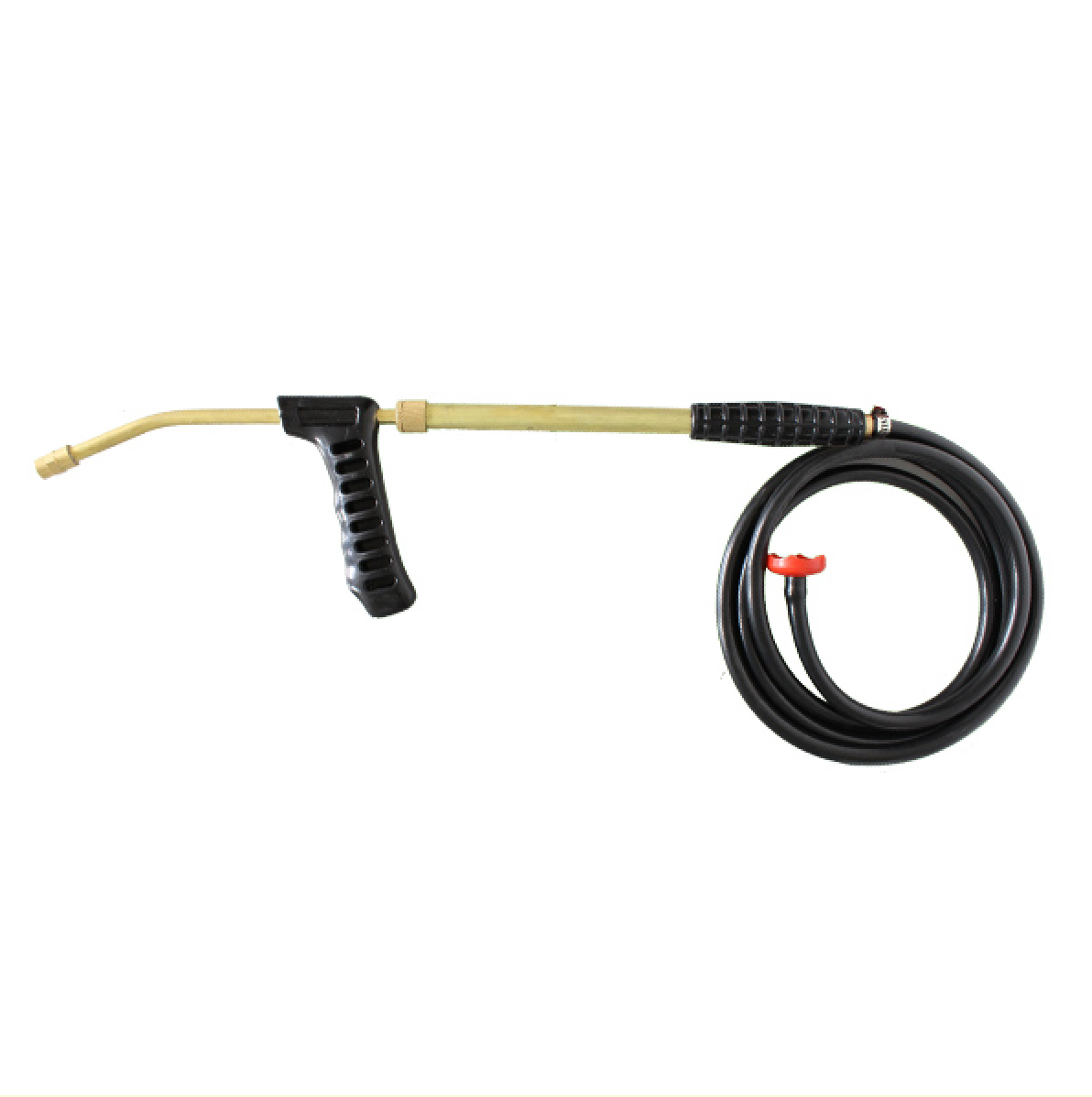
Modern manufacturing often utilizes high-density polyethylene or poly-blend polymers for spray equipment. This specific construction drastically reduces the overall tool weight. You will experience much less shoulder and arm fatigue during continuous spraying tasks. Lighter weight allows users of all physical strength levels to manage canopy spraying safely.
A modern plastic sprayer works highly effectively for standard water-based pesticides. They handle common herbicides and liquid fertilizers perfectly well. Furthermore, polymer materials will never corrode from moisture exposure. They never develop green verdigris if you accidentally leave them wet overnight in a storage shed.
Despite these benefits, plastic sprayers introduce specific implementation realities and downsides.
Environmental Degradation: Plastics remain highly susceptible to UV brittleness over time. Storing them outdoors in direct sunlight ruins the housing permanently.
Pressure Limitations: Extreme, rapid pumping can sometimes warp the main plastic shaft. Lower-tier models might actually crack under intense internal force.
Chemical Vulnerabilities: Certain strong solvents or heavy dormant oils degrade internal plastic seals rapidly. Metal counterparts handle these harsh agricultural liquids much better.
Best Practice: Keep plastic units specifically for gentle foliar feeds or liquid kelp extracts. Avoid running harsh petroleum-based dormant oils through polymer cylinders whenever possible.
Comparing these two materials requires evaluating how they perform across several specific dimensions. We have broken down the core buying considerations to help you choose the right tool.
Material Performance Comparison Table
Evaluation Dimension | Brass Trombone Sprayers | Plastic Trombone Sprayers |
|---|---|---|
Lifespan Potential | 10 to 20+ years | 2 to 5 years |
Chemical Resistance | Excellent (Handles dormant oils) | Moderate (Water-based mixes only) |
Weight Factor | Heavy (Increases fatigue) | Lightweight (Easy to maneuver) |
Repairability | Fully rebuildable components | Often treated as disposable |
Volumetric output per stroke determines your ultimate vertical reach. Brass units typically hold pressure much better over a five-year timeline. The rigid metal walls do not flex under intense manual pumping. You get maximum fluid displacement per stroke. Conversely, plastic cylinders may experience slight pressure loss. As the inner plastic cylinder wears down from friction, fluid slips past the internal plunger. This slight leakage reduces your maximum spray height noticeably over time.
You must contrast the physical toll of operating both materials. A heavy metal trombone sprayer requires substantial effort to push and pull continuously. During a multi-hour orchard application, this weight heavily taxes your rotator cuffs. A plastic sprayer feels virtually weightless in comparison. This ergonomic advantage makes plastic highly desirable for older gardeners or anyone managing physical mobility constraints.
Analyze the cost-per-use strictly over the lifespan of the tool. A $100 brass unit lasting 15 years provides incredible long-term value. You divide that initial cost over hundreds of successful applications. A $30 plastic unit seems cheaper initially. However, needing a full replacement every two to three years quickly negates those savings. For professional scalability, heavy-duty metal always wins the economic argument over time.
Premium brass models usually feature standardized, widely available rebuild kits. You can easily purchase replacement nozzles, fresh O-rings, and new check valves. Manufacturers design metal tools to be dismantled and serviced locally. Plastic models are frequently treated as entirely disposable. Once a plastic seam splits or a non-removable seal fails, you must throw the entire unit away. This creates unnecessary waste and disrupts your spraying schedule.
Maintenance directly defines agricultural equipment longevity. Proper cleaning protocols prevent premature failure regardless of your material choice. We always recommend triple-rinsing your equipment after every single use. You fill a bucket with clean water, pump it entirely through the system, and repeat this process three times. This step proves mandatory for both materials. However, it remains absolutely crucial for plastics to prevent chemical etching inside the barrel.
We must transparently address the biggest killer of all tree sprayers. Winter water expansion destroys more equipment than chemical corrosion ever will. When temperatures drop, trapped water freezes and expands rapidly. This expansion will split a rigid plastic cylinder instantly. The damage renders the tool completely useless. While you must drain both types, a brass model occasionally survives a light freeze. It might only blow out an internal O-ring or cause very minor metal bulging.
Lubrication requirements also differ significantly between the two materials. Brass slides require regular application of pure silicone grease. Do not use standard petroleum jelly. Petroleum derivatives will rapidly degrade your rubber O-rings. Plastic slides naturally offer relatively self-lubricating properties. They require much less active greasing but ultimately wear down faster than properly lubricated metal components.
Selecting the right spraying equipment fundamentally alters your workflow efficiency. The core differences in durability, weight, and chemical compatibility should dictate your final purchase. Follow this simple shortlisting logic to guide your investment decision.
Choose a heavy-duty brass unit if you manage ten or more mature trees annually. It handles harsh dormant oils perfectly. Buy metal if you value a tool featuring fully repairable components.
Choose a lightweight plastic unit if you own a small suburban property. It works flawlessly for occasional liquid fertilizer applications. Buy plastic if you prioritize a lightweight tool due to physical constraints.
For your immediate next step, check the specific chemical labels of your intended agricultural sprays. You must verify their compatibility regarding polymer or metal housing. Additionally, source an appropriate weighted strainer and a sturdy bucket setup to pair perfectly with your newly chosen equipment.
A: Initially, yes, assuming the nozzle design is similar. However, brass maintains the required internal seal tolerances much longer. This precision allows metal to consistently hit 25 to 30 feet vertically over multiple spraying seasons.
A: Most agricultural chemicals work perfectly. However, avoid storing highly acidic mixtures in them for prolonged periods. Always flush the pump completely with clean water afterward to prevent any potential brass oxidation.
A: This depends heavily on the specific brand. Many budget plastic sprayers feature completely sealed or fused housings. You cannot open them. Conversely, almost all metal trombone sprayers are designed specifically to be dismantled and rebuilt.


