Views: 0 Author: Site Editor Publish Time: 2026-09-27 Origin: Site


High-canopy pest and disease management often forces growers into a difficult choice. You must either invest in expensive motorized equipment or struggle using inadequate manual pumps. These limited options leave many fruit growers frustrated during crucial spraying seasons.
For small-to-medium orchard management, achieving adequate vertical reach remains a primary operational challenge. You need to penetrate dense foliage without generating excessive chemical drift or incurring massive equipment costs. Finding a practical middle ground is essential for maintaining tree health and overall operational efficiency.
Enter the trombone sprayer as a highly specialized, manual solution. It effectively bridges the performance gap between a standard garden sprayer and a massive commercial motorized rig. This tool gives you the power necessary for treating tall canopies without relying on heavy machinery.
Targeted Reach: Functions as a highly effective long reach sprayer, capable of hitting canopies up to 25–30 feet without ladders.
Cost-to-Value: Offers a high-pressure solution at a fraction of the cost of motorized alternatives, ideal for small orchards or targeted spot treatments.
Operational Limitation: Manual slide-action pumping causes operator fatigue and makes precise chemical calibration difficult compared to regulated pressure systems.
Decision Matrix: Best suited for backyard orchards, homesteads, and specific tree and shrub sprayer applications rather than large-scale, high-acreage commercial operations.
Understanding the mechanism of a slide-action pump is crucial. You operate this device through a push-pull motion, much like playing a musical trombone. The pump draws fluid directly from a separate bucket or reservoir via a drop hose. When you pull the handle back, it creates a vacuum. This vacuum pulls liquid up the hose into the brass cylinder. Pushing the handle forward forces the liquid out through an adjustable nozzle. This dual-action design maximizes pressure output using human mechanical force.
We define a successful application by several key criteria. First, the spray must reach the very top of your fruit trees. Second, you must achieve full foliar coverage, hitting both the tops and bottoms of the leaves. Finally, a successful tool requires minimal equipment setup. You want to mix your solution, drop the hose in, and start spraying immediately. This manual pump checks all these boxes for specific scenarios.
Frame this tool as a strategic alternative. It replaces heavy backpack units or complex tow-behind systems in low-volume, high-reach scenarios. Backpack units become heavy quickly. Tow-behind systems take time to hitch, calibrate, and clean. When you only need to treat a handful of tall trees, setting up a massive rig wastes time. A slide-action pump gives you immediate, targeted action.
Backyard and micro-orchards represent the perfect environment for this equipment. Many small properties feature uneven terrain, tight spacing, or delicate landscaping. Maneuvering a tractor-mounted orchard sprayer through these spaces is often impossible. Furthermore, the capital required for motorized equipment is cost-prohibitive for hobbyists. A manual slide pump allows you to walk freely through tight spaces carrying only a bucket.
High-canopy plants require specialized reach. You can deploy this device as a dedicated tree and shrub sprayer for routine maintenance. It handles dormant oils exceptionally well during the winter months. It also excels at delivering fungicides to prevent apple scab or peach leaf curl. When facing localized pest outbreaks, like aphids or tent caterpillars, you can blast the upper branches effectively. The high pressure breaks through the protective webs spun by caterpillars.
Commercial settings also benefit from this tool for spot treatments. Imagine finding a single diseased tree in a large commercial block. Firing up a large-scale agricultural sprayer for one tree wastes fuel and chemical solution. Instead, farm workers can mix a small batch in a five-gallon bucket. They can drive a utility vehicle to the specific tree and deploy the manual pump rapidly. This rapid response contains outbreaks before they spread across the orchard.
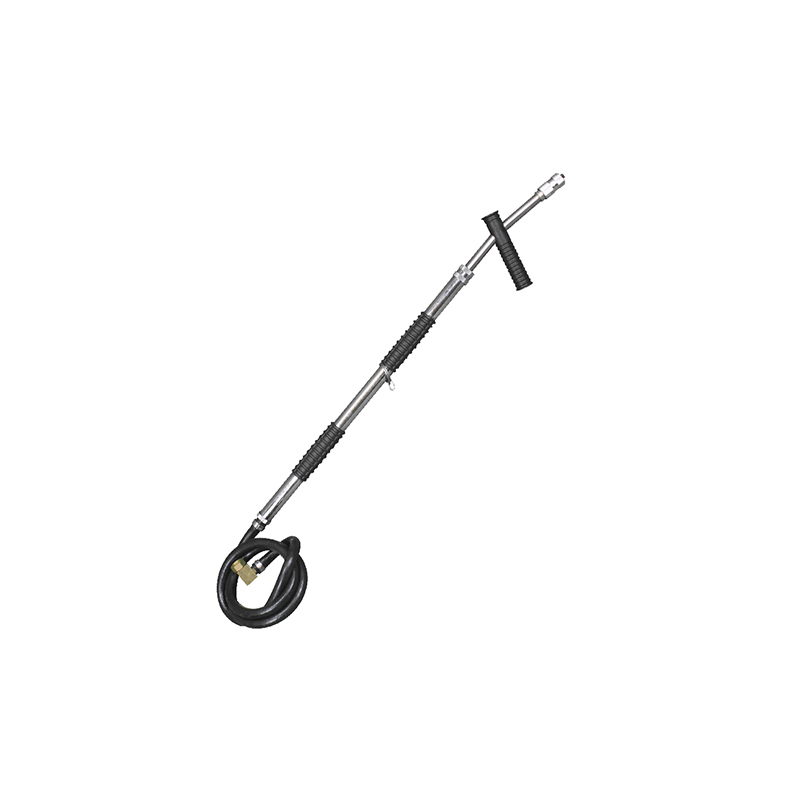
Vertical distance stands out as the primary advantage. This tool functions exceptionally well as a long reach sprayer. A strong operator can generate high pressure, often exceeding 150 PSI manually. This intense pressure projects a targeted stream 20 or more feet into the canopy. You can coat the upper branches of mature cherry, apple, or pear trees. You achieve this reach entirely from the ground, eliminating the severe safety risks associated with climbing ladders while spraying.
Fluid versatility is another massive benefit. Most conventional manual units limit you to a built-in tank. A standard backpack holds four gallons, while hand-held tanks hold one to two. A slide-action pump boasts unlimited reservoir capacity. The intake hose features a weighted strainer. You can drop this hose into any container. You might use a standard five-gallon bucket for quick jobs. For larger jobs, you can drop it directly into a 55-gallon drum mounted on a garden cart.
Portability and low maintenance appeal to busy growers. These devices feature very few moving parts. You will find no engines to maintain, no carburetors to clean, and no batteries to charge. They remain ready to use even after sitting in a shed for six months. Cleaning them is incredibly straightforward. You simply move the drop hose into a bucket of clean water. Pumping clean water through the brass mechanism flushes it entirely in less than a minute.
Cost efficiency seals the deal for many users. You secure professional-level vertical reach at a consumer-level price point. Purchasing a motorized high-pressure rig requires a significant financial commitment. The manual slide pump provides comparable vertical penetration for a fraction of the upfront cost. It directs your budget toward high-quality horticultural oils and organic pesticides instead of expensive machinery.
Operator fatigue remains the most significant drawback. The continuous, two-handed trombone motion is physically demanding. You utilize your shoulders, chest, and arms for every ounce of pressure. After spraying three or four large trees, muscle fatigue sets in rapidly. Because of this physical toll, the tool is not scalable for continuous all-day spraying. You must plan your applications in short, manageable sessions.
Calibration challenges present a serious implementation reality. Commercial rigs regulate pressure mechanically, ensuring exact output. With a manual slide pump, pressure depends entirely on your pump speed and physical strength. Maintaining a consistent application rate (gallons per tree) is highly variable. As you grow tired, your pump strokes slow down. Slower strokes produce larger droplets and lower volume. This variability makes it difficult to apply precise chemical doses.
Chemical drift risks increase when targeting tall canopies. High-pressure streams intended for upper branches must travel through open air. These streams are highly susceptible to wind drift. Even a mild breeze can carry fine pesticide mists onto neighboring properties or non-target plants. You require strict adherence to environmental safety and compliance. Always spray early in the morning or late in the evening when wind speeds drop to near zero.
Hose snagging creates frustrating logistical issues. You must move around a dense orchard carrying a bucket while managing a drop-hose. The hose frequently catches on low branches, roots, or tall grass. Snagging the hose can cause you to trip. Worse, a hard pull on a snagged hose can easily tip over your chemical reservoir. Spilling concentrated pesticides creates environmental hazards and wastes expensive materials. You must move deliberately and manage your hose path constantly.
Providing a shortlisting logic framework helps you decide which tool fits your operation. Every property has unique terrain, scale, and canopy heights. You need to weigh manual power against mechanical convenience. Let us evaluate how the slide-action pump compares to standard alternatives.
When comparing it to a pump-action garden cylinder, the trombone style wins heavily on vertical reach and continuous volume. A standard cylinder requires you to stop and pump up the air pressure constantly. It loses pressure as the tank empties. However, standard cylinders win on portability and ease of use for ground-level plants. If you only spray small bushes or vegetable beds, the traditional cylinder is much less tiring.
Against a backpack unit, the comparison shifts toward mobility. Backpacks offer superior maneuverability because the tank sits securely on your back. You never have to worry about tripping over a drop-hose. Battery-operated backpacks also provide perfectly consistent pressure. However, most backpacks max out at lower vertical distances. Unless you modify them with specialized wands, they struggle to penetrate 25-foot canopies effectively.
Comparing manual pumps to motorized or PTO-driven rigs highlights a massive scale difference. Commercial rigs offer exact calibration, massive scalability, and automated agitation. They cover acres in minutes. However, they require high capital expenditure and rigorous maintenance schedules. Manual slide pumps serve as the ultimate fallback for non-mechanized scale. They exist for properties too large for a hand-pump but too small for a tractor.
Sprayer Type Comparison Chart
Sprayer Type | Vertical Reach | Mobility | Calibration Precision | Best Use Case |
|---|---|---|---|---|
Trombone / Slide-Action | High (20-30 ft) | Moderate (Hose management) | Low (Operator dependent) | Tall trees, minimal acreage |
Standard Hand-Pump | Low (5-10 ft) | High (Self-contained) | Low (Declining pressure) | Ground crops, small bushes |
Battery Backpack | Moderate (10-15 ft) | High (Wearable) | High (Regulated pump) | Medium orchards, young trees |
Motorized / PTO Rig | Very High (30+ ft) | Low (Vehicle required) | Very High (Mechanized) | Large commercial acreage |
Safety compliance is absolutely mandatory due to the overhead nature of the spray. When you shoot liquid 25 feet into the air, gravity pulls excess moisture straight down. The risk of chemical blowback covering the operator is extremely high. You must wear appropriate PPE. This includes indirect-vented chemical goggles, a rated respirator, long sleeves, and waterproof gloves. Never skip protective gear when doing high-canopy work.
Mitigating calibration issues requires a systematic approach. Since you cannot rely on mechanical regulation, you must standardize your own movements. We highly recommend mixing batches in clearly measured buckets. Follow these numbered steps to gauge your output:
Fill your bucket with exactly one gallon of plain water.
Select a test tree similar in size to your target orchard.
Spray the tree using your normal push-pull rhythm until you achieve full foliar coverage.
Check the bucket to see how much water you consumed.
Multiply this water volume by the number of trees you intend to treat to determine your total batch size.
Maintenance realities determine the lifespan of your tool. These pumps utilize brass and metal components paired with rubber O-rings. Corrosive chemicals and sticky horticultural oils degrade these parts quickly. You face the necessity of thoroughly flushing the unit after every single use. Pump two gallons of clean soapy water through the system, followed by clear water. Furthermore, periodically lubricate the internal O-rings with silicone grease. This prevents the slide action from becoming stiff or seizing up entirely.
A slide-action pump is a highly practical, specialized tool for achieving vital vertical reach. It trades mechanical automation and precise calibration for cost-effectiveness and raw, manual power. You gain the ability to protect high canopies without taking on machinery debt or complicated maintenance routines.
We recommend this tool specifically for homesteaders, small orchard owners, and landscapers. If you need an occasional high-reach solution for dormant spraying or rapid spot treatments, it performs exceptionally well. It remains an indispensable asset for non-mechanized property management.
Your next step is to evaluate specific product builds on the market. Look closely at the differences between brass and plastic nozzles. Consider the hose lengths provided and whether they fit your preferred bucket or cart setup. Always review chemical safety guidelines for foliar spraying before beginning your seasonal orchard maintenance.
A: Realistically, you can achieve a 20 to 30-foot vertical reach. The exact distance depends heavily on your physical upper-body strength and the nozzle setting. Adjusting the nozzle to a tight, solid stream maximizes height, while a fan or mist setting will drastically reduce the vertical projection.
A: Yes, it handles thick oils and wettable powders very well due to its wide intake hose. However, you must emphasize frequent manual agitation in your bucket. The system lacks an internal mechanical agitator, so powders will settle at the bottom if left undisturbed.
A: It requires significant physical exertion. The push-pull motion engages your shoulders, chest, and arms continuously. While pumping for five minutes is manageable for most, sustained use over several hours causes severe operator fatigue. It is better suited for short, targeted spraying sessions.
A: You must practice with water on a known area. Fill a bucket with a measured amount of water, spray a single tree until covered, and measure what remains. This method estimates your specific volume per tree, allowing you to mix the correct chemical ratio for the whole orchard.


